Welcome to Dezhou Huaxiang new material technology Co., Ltd. official website

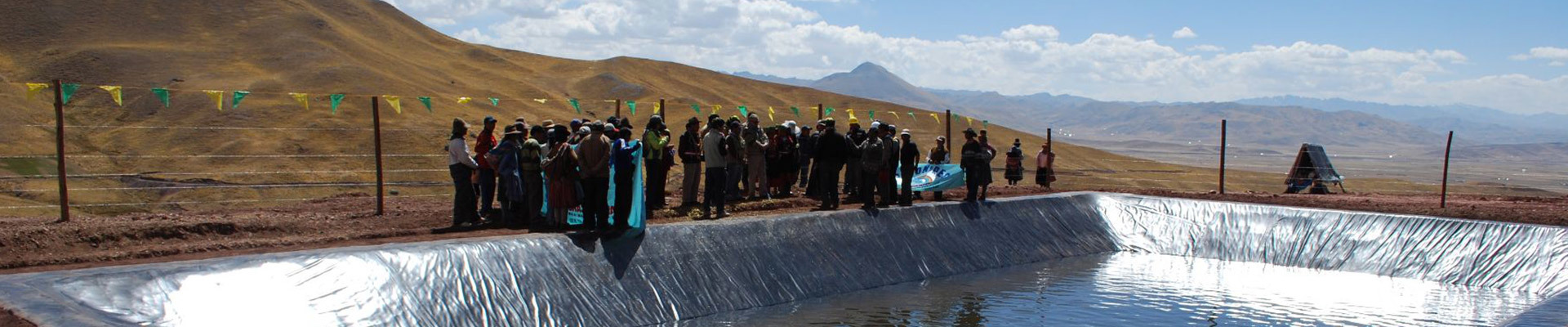
Function and application of composite geomembrane
Release time:
2024-07-23
Composite geomembrane is an engineering material that is often used in civil engineering and environmental protection projects to prevent liquid seepage and soil erosion.
Composite geomembrane is an engineering material that is often used in civil engineering and environmental protection projects to prevent liquid seepage and soil erosion. It is a composite of geotextile and geomembrane, combining the advantages of both. The following are the main components and characteristics of composite geomembrane:
Components
1. Geotextile: Geotextile is a permeable textile material, usually made of synthetic fibers such as polyester or polypropylene. It has good mechanical strength and durability and is used to strengthen and stabilize soil.
2. Geomembrane: Geomembrane is an impermeable film, usually made of high-density polyethylene (HDPE), low-density polyethylene (LDPE) or polyvinyl chloride (PVC). It mainly plays a role in preventing leakage and preventing liquids from penetrating the soil.
Features
1. Impermeability: Due to the presence of geomembrane, composite geomembrane has excellent anti-seepage performance, which can effectively prevent the leakage of liquids such as water and waste liquid.
2. High mechanical strength: The addition of geotextile enhances the tensile, tear and puncture resistance of composite geomembrane, enabling it to withstand certain mechanical pressure and external stress.
3. Chemical corrosion resistance: Composite geomembrane has good chemical corrosion resistance and is suitable for engineering projects with corrosive environments such as sewage and landfills.
4. Easy construction: Composite geomembrane is light in weight, easy to transport and lay, and convenient and quick to construct.
Application areas
1. Water conservancy projects: such as reservoirs, channels and dams, to prevent leakage and soil erosion.
2. Environmental protection: landfills, waste liquid pools, anti-seepage projects, etc., to prevent harmful substances from leaking into groundwater.
3. Transportation engineering: highways, railway roadbeds, etc., to enhance stability and prevent foundation sinking.
4. Agriculture and horticulture: artificial lakes, ponds, irrigation channels, etc., to retain water and prevent seepage.
In general, geomembranes play an important role in various engineering projects, providing reliable anti-seepage solutions and soil stability support.
 |
 |
 |
PROJECT CASES

Apr 25,2024
Apr 25,2024
Apr 25,2024
Apr 25,2024
Apr 25,2024
Apr 25,2024
Apr 25,2024
Apr 25,2024

Get a quote or fast support
Experienced teams of project experts will provide you with competitive quotes, best service and free samples.
Contact us now
CONTACT US
Tel : +86-158 5345 5188
WhatsApp : +86-158 5345 5188
Wechat : +86-158 5345 5188
Email : Selina@dzhxchina.com
Factory Address: South head of Xingguo Street, Lingcheng District Economic Development Zone, Dezhou City, Shandong, China