Welcome to Dezhou Huaxiang new material technology Co., Ltd. official website

What is the production process of geotextiles?
Release time:
2024-07-29
There are two main methods of making geotextiles: organic woven and non-woven. The classification of construction materials varies according to the raw materials used and the method of manufacture. The woven method is used everywhere as it is a traditional method. Nonwovens are obtained by needling or thermal bonding. There are geographical divisions based on the production characteristics of geotextiles. Each geosynthetic has its own direction of application. This allows us to consider universal materials.
The production of geotextiles has its own characteristics and can be divided into several types. The main advantages of this material include high strength, durability and ease of use for construction projects of any complexity.
Geotextile is a synthetic material. This construction material has a wide range of uses. This is due to the versatility and range of benefits of geosynthetics.
 |
 |
 |
 |
Production methods of geotextiles
There are two main methods of making geotextiles: organic woven and non-woven. Construction materials are categorised differently depending on the raw materials used and the method of manufacture.
The raw materials can be classified into the following types:
Polyester fibres;.
Polypropylene fibres;
Glass fibres.
Blends containing wool or cotton.
Geotextiles based on polymer materials are considered to be of the highest quality and most durable. This type is used as the most durable material in construction. The polyester used in the production of geotextiles is a secondary raw material that can be recycled. This option is a short strand with multiple layers of links. Structured like wool, it can be any colour, including beige, black or brown.
Polypropylene requires a primary raw material. In this case, continuous threads are formed, adding strength to the geotextile and creating a dense, lint-free structure. The colour scheme is white or grey. The first production method is traditional. The lines are interwoven, allowing to adjust the size and density of the units. Due to its good reinforcing properties, this material is characterised by high tensile strength.
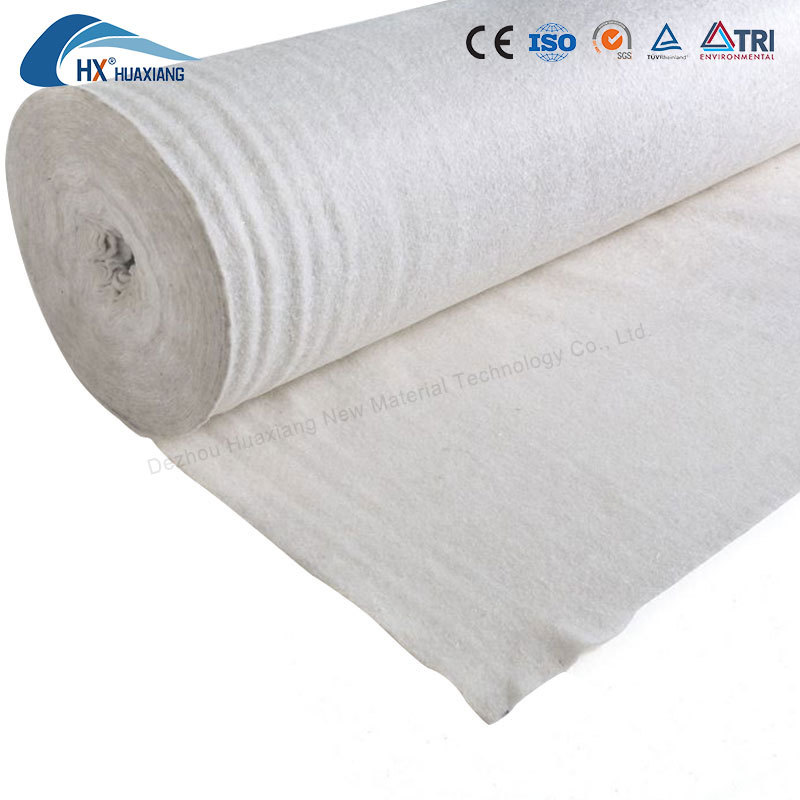
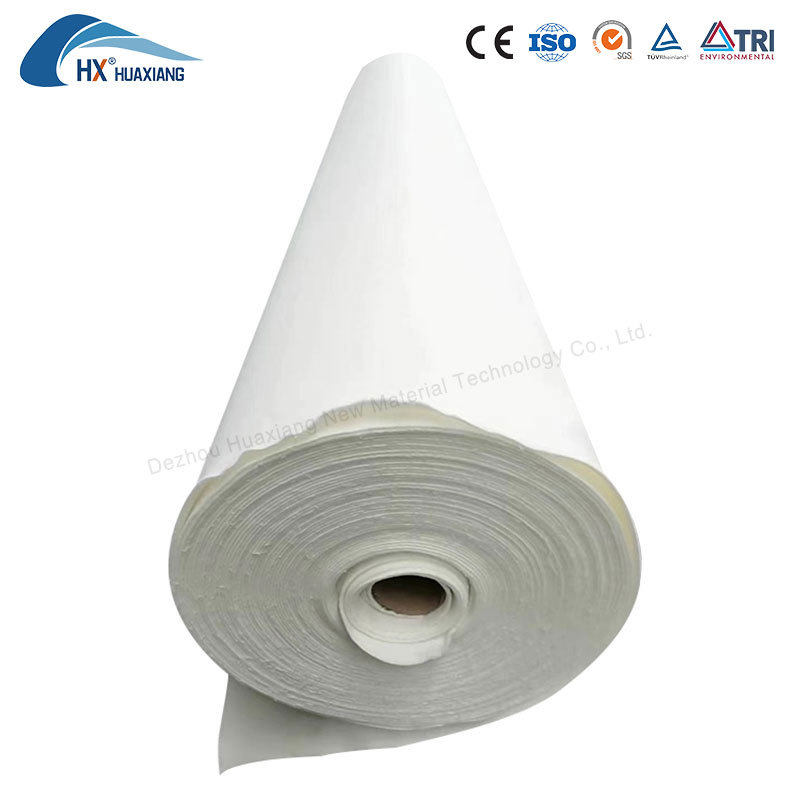
Non-woven geosynthetics require mechanical or thermal action in the form of bonded polyester or polypropylene fibres. Depending on the type of geotextile produced, there are several types of such materials, needled and bonded. Hydraulic bonding is rarely used. It is a new technology that has not yet become widespread.
The production of non-woven geotextiles is divided into areas where different methods are used.
 |
 |
 |
 |
Areas of application for geotextiles
The range of construction materials is very wide.
Scope of use:
Construction of motor and railway roads and runways;
Laying of paving stones and paving blocks;
Foundation formation;
Drainage systems and filtration facilities require needled geotextiles;
Medications in the form of disposable clothing and bedding requiring two or three layers of bonded geotextiles;
Hygiene products;
Needled geotextiles are used in agriculture, if necessary together with durable covering materials;
Inexpensive geotextiles made from polyester or blended fibres are used in the production of furniture;
Household appliances require filters, and most technical equipment is made from geosynthetics;
Materials used for packaging;
Arranging various communication matters related to the construction process.
In addition to these areas, geotextiles have many other uses. For example, land improvement. This material is often used in landscaping because of its favourable properties.
Geosynthetics are considered to be popular due to their cost-effective and affordable nature. It should be remembered that this geomaterial is completely safe and is considered to be one of the friendliest materials.
PROJECT CASES

Apr 25,2024
Apr 25,2024
Apr 25,2024
Apr 25,2024
Apr 25,2024
Apr 25,2024
Apr 25,2024
Apr 25,2024

Get a quote or fast support
Experienced teams of project experts will provide you with competitive quotes, best service and free samples.
Contact us now
CONTACT US
Tel : +86-158 5345 5188
WhatsApp : +86-158 5345 5188
Wechat : +86-158 5345 5188
Email : Selina@dzhxchina.com
Factory Address: South head of Xingguo Street, Lingcheng District Economic Development Zone, Dezhou City, Shandong, China