Welcome to Dezhou Huaxiang new material technology Co., Ltd. official website

Why are geomembranes so popular in engineering?
Release time:
2024-07-30
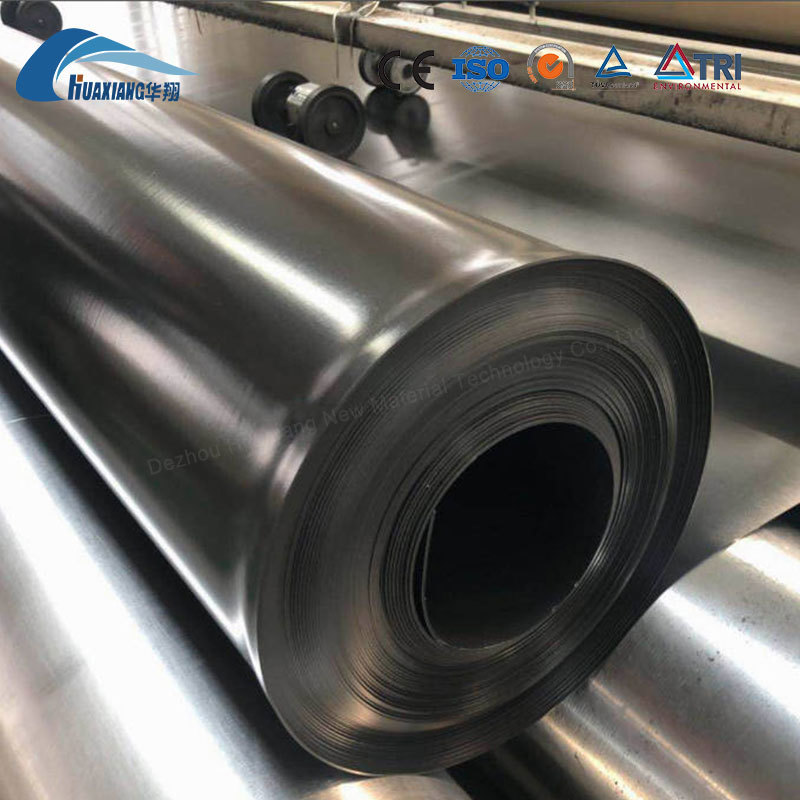
HDPE geomembranes are available in a variety of thicknesses to suit different types of applications. The top and bottom surfaces of geomembranes are usually smooth. Special polymer geomembranes with textured surfaces are also available but are used in certain situations such as steep embankments.0.5mm, 0.75mm and 1.0mm HDPE geomembranes are used as impermeable layers at the bottom of aquaculture ponds.1.0mm, 1.5mm and 2.0mm HDPE geomembranes are used in landfill sites, wastewater treatment works and in other areas of pollution control and environmental protection works. The quality of geomembrane is highly required.
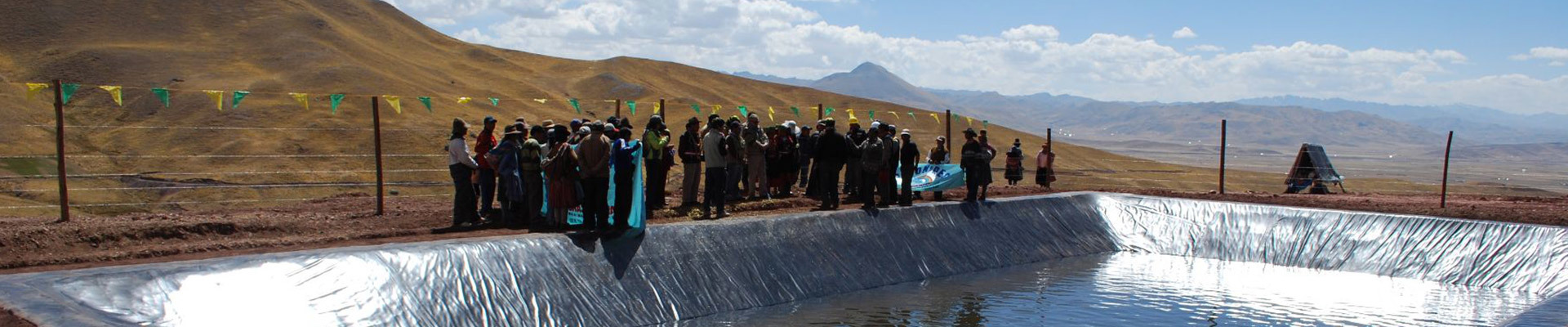
More and more areas are choosing to build artificial lakes with waterproofing materials.PE liner is one of the most popular liners, also known as geomembranes.PE material is made of polyethylene resin. It is impermeable, waterproof, UV resistant and long lasting. The impermeable and waterproof features mean that it is suitable for storing water and preventing it from leaking. UV resistance makes it last a long time even in the sun. In addition, PE liners made from virgin resins meet high quality standards and typically last 30-50 years. the PE liner is thickened with virgin resins, carbon resins and other chemical additives.
HDPE geomembranes are available in a variety of thicknesses to suit different types of applications. The top and bottom surfaces of geomembranes are usually smooth. Special polymer geomembranes with textured surfaces are also available but are used in certain situations such as steep embankments.0.5mm, 0.75mm and 1.0mm HDPE geomembranes are used as impermeable layers at the bottom of aquaculture ponds.1.0mm, 1.5mm and 2.0mm HDPE geomembranes are used in landfill sites, wastewater treatment works and in other areas of pollution control and environmental protection works. The quality of geomembrane is highly required.
 |
 |
 |
 |
Because the geomembrane is stable regardless of high or low temperatures, from 200 degrees to minus 70 degrees, it is not prone to melting in hot seasons or some special high temperature environments, and it does not break easily in extremely cold weather, ensuring that the liner is suitable for use in most conditions. What's more it is acid and alkali resistant, some projects such as lagoons or landfill sites require a high quality standard as a bottom liner, which can react chemically during use. Like landfill, if it is used to store medical waste, it can be too dangerous if hazardous liquids or items leak into the ground, causing unpredictable and irreversible impacts on the environment. The increasing use of geomembranes in large landfills is a testament to their durability and quality.
Interestingly, geomembranes are also used in aquaculture. Like fish, shrimp and crab farming, we offer geomembranes in different thicknesses for ponds. Typically, 0.5 mm, 0.75 mm and 1.0 mm are more popular in the market. In aquaculture, the pond will form a complete ecosystem and apart from collecting water for aquaculture, it can also store dry season water in dry areas. Many African countries are purchasing geomembranes to build ponds for water storage and aquaculture, which also contributes to economic development and on the other hand is good for the environment. PE liner is more cost-effective than industrial development.
Depending on the distribution of water resources around the world, the use of geomembranes for lakes or reservoirs will benefit the environment and the economy. Whether small ponds for irrigation on farms or large drinking water reservoirs close to residential areas, PE geomembranes are becoming more and more popular in environmental construction projects.
PROJECT CASES

Apr 25,2024
Apr 25,2024
Apr 25,2024
Apr 25,2024
Apr 25,2024
Apr 25,2024
Apr 25,2024
Apr 25,2024

Get a quote or fast support
Experienced teams of project experts will provide you with competitive quotes, best service and free samples.
Contact us now
CONTACT US
Tel : +86-158 5345 5188
WhatsApp : +86-158 5345 5188
Wechat : +86-158 5345 5188
Email : Selina@dzhxchina.com
Factory Address: South head of Xingguo Street, Lingcheng District Economic Development Zone, Dezhou City, Shandong, China