Welcome to Dezhou Huaxiang new material technology Co., Ltd. official website

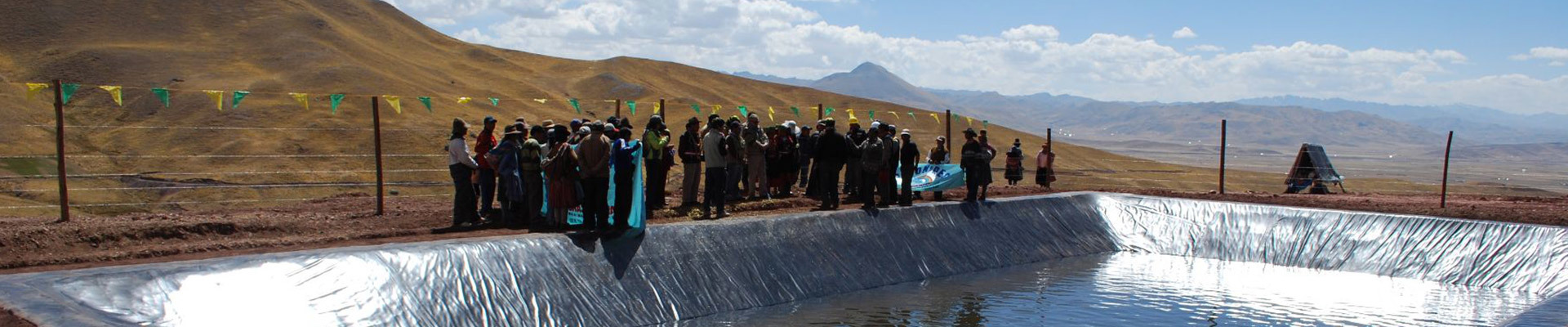
How to choose a geomembrane?
Release time:
2024-08-02
When choosing a geomembrane you need to consider the following aspects: type of geomembrane material, thickness of geomembrane, chemical resistance, construction process and protective measures.
Geomembrane material type: geomembrane is generally divided into high-density polyethylene (HDPE), low-density polyethylene (LDPE), polyvinyl chloride (PVC) and other types, due to the special nature of cattle farm manure, generally choose HDPE or LDPE material, because of its high chemical stability and good impermeability.
Geomembrane thickness: the thickness of geomembrane directly affects its impermeable effect, generally speaking, the thickness of geomembrane used in cattle farm manure pond should be enough to deal with possible mechanical damage and chemical corrosion.
Chemical resistance: Cattle farm manure contains a variety of chemicals, such as ammonia, etc. Therefore, the selected geomembrane needs to have good chemical resistance and is not easy to be eroded by the chemicals in the manure.
Construction process: During the construction process, attention should be paid to the laying and connection of the geomembrane to ensure that it covers the whole manure tank and is connected tightly to avoid leakage.
Protective measures: After the geomembrane is laid, you can consider installing some protective measures around it, such as gravel, concrete berms, etc., to enhance the stability and protective performance of the geomembrane.
Overall, choosing the right geomembrane and taking appropriate construction and protective measures can effectively prevent the leakage problem of cattle farm manure ponds and protect the surrounding environment from pollution.
 |
 |
How does impermeable geomembrane play a role in cattle farm manure treatment?
Anti-seepage geomembrane plays an important role in cattle farm manure ponds, and its main functions include:
Anti-seepage: a large amount of manure and sewage piled up in the cattle farm manure pond will produce a high concentration of organic matter, ammonia and other chemicals, if there is no effective anti-seepage measures, these harmful substances may seep into the soil, resulting in the pollution of groundwater resources. Geomembrane as an anti-seepage layer can effectively prevent the liquid in the faeces from leaking into the soil and protect the groundwater quality and environmental safety.
Protecting the soil: faeces contains a large amount of nitrogen, phosphorus and other nutrients, if directly leaked into the soil, it may cause excess soil fertility, leading to a decline in soil quality, or even cause soil pollution. Geomembrane can effectively isolate the faeces from the soil, protect the soil from faecal pollution and maintain the balance of the soil ecosystem.
Reducing environmental pollution: Leakage from faecal pools can cause pollution of groundwater and surrounding soil, thus harming the surrounding ecological environment and human health. By using geomembranes for seepage control, the spread and impact of these pollutants can be effectively reduced, protecting the surrounding water, soil and biodiversity.
Extend the service life of facilities: manure will cause corrosion and damage to cattle facilities, the use of geomembrane can effectively isolate manure and facilities, extend their service life, reduce facility maintenance and repair costs.
Therefore, seepage control geomembrane plays an important role in protecting the manure ponds of cattle farms, ensuring the environmental safety of cattle farms and the long-term stable operation of the facilities.
PROJECT CASES

Apr 25,2024
Apr 25,2024
Apr 25,2024
Apr 25,2024
Apr 25,2024
Apr 25,2024
Apr 25,2024
Apr 25,2024

Get a quote or fast support
Experienced teams of project experts will provide you with competitive quotes, best service and free samples.
Contact us now
CONTACT US
Tel : +86-158 5345 5188
WhatsApp : +86-158 5345 5188
Wechat : +86-158 5345 5188
Email : Selina@dzhxchina.com
Factory Address: South head of Xingguo Street, Lingcheng District Economic Development Zone, Dezhou City, Shandong, China