Welcome to Dezhou Huaxiang new material technology Co., Ltd. official website

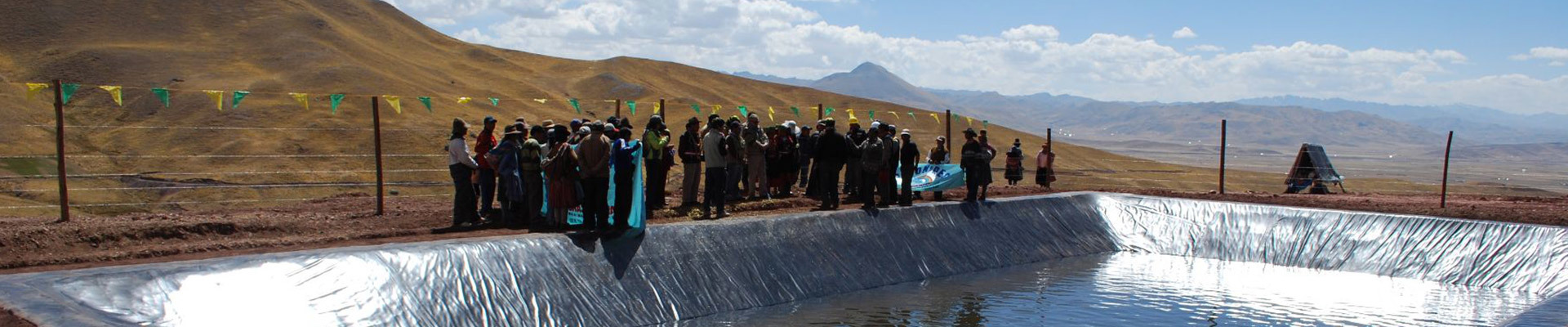
Application of geomembrane in sewage treatment
Release time:
2024-08-07
Geomembrane is a polymer material with anti-seepage properties, which is widely used in the construction and operation of sewage treatment plants.
Geomembrane is a polymer material with anti-seepage properties, which is widely used in the construction and operation of sewage treatment plants. Its main function is to prevent sewage and pollutants from penetrating into the groundwater layer and protect groundwater resources. The following are the specific applications of geomembranes in sewage treatment plants:
1. Sewage treatment tank anti-seepage: Geomembranes are often used at the bottom and side walls of sewage treatment tanks to prevent sewage leakage. This helps prevent pollutants from entering the groundwater while keeping the amount of water stable during sewage treatment.
2. Storage tanks and regulating tanks: During sewage treatment, storage tanks and regulating tanks are used to store and regulate sewage flow. Geomembranes are used for the lining of these tanks to ensure that sewage does not leak into the surrounding environment.
3. Sludge treatment site: Sludge is a byproduct of sewage treatment and contains a large amount of organic matter and harmful substances. Geomembranes are used for anti-seepage at sludge storage sites to prevent pollutants in the sludge from penetrating into the soil and groundwater.
4. Tailwater discharge: Treated tailwater sometimes needs to be temporarily stored or discharged. Geomembranes can be used to prevent tailwater leakage, especially when the tailwater may still contain small amounts of pollutants.
5. Waste landfill: For solid waste generated during the treatment process, geomembranes can be used to prevent landfill seepage and prevent pollutants from seeping into the ground.
 |
 |
The selection and installation of geomembranes need to be carried out according to the specific design requirements of the sewage treatment plant. Commonly used materials include high-density polyethylene (HDPE), low-density polyethylene (LDPE) and polyvinyl chloride (PVC). Choosing the right material and installation method is crucial to ensure anti-seepage effect and extend service life.
PROJECT CASES

Apr 25,2024
Apr 25,2024
Apr 25,2024
Apr 25,2024
Apr 25,2024
Apr 25,2024
Apr 25,2024
Apr 25,2024

Get a quote or fast support
Experienced teams of project experts will provide you with competitive quotes, best service and free samples.
Contact us now
CONTACT US
Tel : +86-158 5345 5188
WhatsApp : +86-158 5345 5188
Wechat : +86-158 5345 5188
Email : Selina@dzhxchina.com
Factory Address: South head of Xingguo Street, Lingcheng District Economic Development Zone, Dezhou City, Shandong, China