Welcome to Dezhou Huaxiang new material technology Co., Ltd. official website

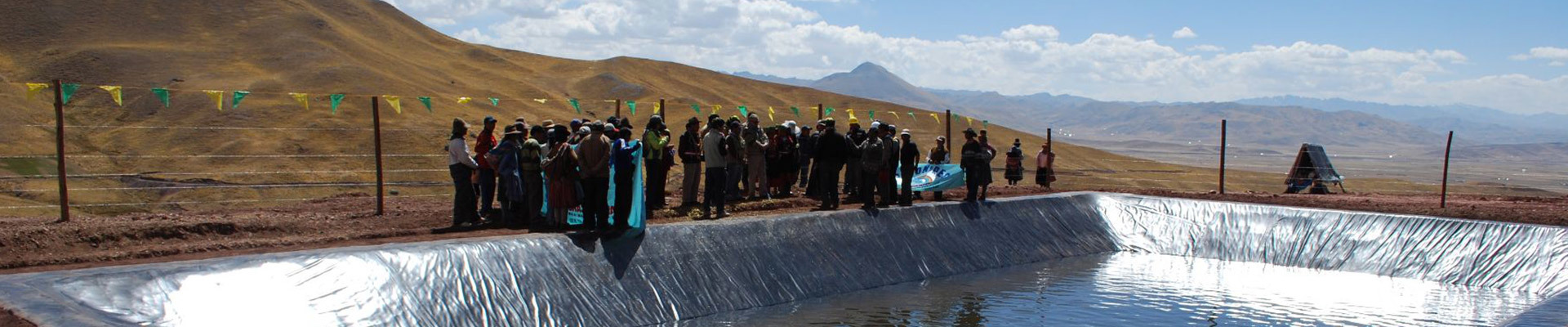
How to lay geomembrane?
Release time:
2024-08-16
The laying of geomembranes is generally divided into preparation work, laying work, fixing and backfilling, testing and maintenance, etc., in order to ensure that the laying quality and use effect of geomembranes meet the design requirements.
How to lay geomembrane?
The laying of geomembrane is a meticulous and important engineering process that requires certain steps to ensure its effectiveness and durability. The following are the detailed steps for laying geomembrane:
1. Preparation
Site cleaning: Clean the laying site to ensure that the surface is flat and free of debris and debris.
Measurement and design: Measure the size of the land and determine the location and method of laying the geomembrane according to the design requirements. This includes understanding the topography, checking the design documents, and determining the boundaries and area of laying.
Material preparation: Select suitable geomembrane materials, and classify, sub-specify and inspect them according to the needs of the project to ensure that the product quality meets the requirements. At the same time, prepare the required machinery, equipment and auxiliary materials, such as anchor nails, sandbags, etc.
Technical explanation: Conduct technical explanations for laying personnel, understand the laying process and operating procedures, and clarify quality requirements.
2. Laying geomembrane
Foundation treatment: Roll and compact the foundation, and level and clean it according to the design requirements to ensure that there is no oil, dust and other debris on the foundation surface. According to the design requirements, the foundation is staked out, marked, and the laying position is determined.
Laying the bottom membrane: After the foundation treatment is completed, a layer of bottom membrane is laid as the foundation to ensure the stability of the geomembrane. The bottom membrane should be made of high-quality materials, such as polyethylene or polyvinyl chloride, and its flatness and stability should be guaranteed.
Laying the mask: After the bottom membrane is laid, the mask is laid. The mask is the main part of the waterproofing, and materials with high tensile strength, corrosion resistance, anti-aging and other good properties should be selected. When laying the mask, the integrity and airtightness of the membrane should be ensured to avoid problems such as breakage or leakage. At the same time, pay attention to the fact that the laying direction should be consistent with the direction of the water flow to avoid the impact and damage of the water flow on the geomembrane.
Welding and overlap: When laying the mask, welding and overlap work are required. Welding refers to welding two geomembranes together to increase their strength and sealing. Overlap refers to leaving a certain width between the two geomembranes to ensure the stability and sealing of the geomembrane. During welding and lap joints, the welding quality and lap width should be guaranteed to meet the requirements to avoid problems such as leaking welding and de-soldering.
3. Fixing and backfilling
Fixing geomembrane: The geomembrane can be firmly fixed on the ground. Anchor nails or sandbags can be used for fixing. During the fixing process, care should be taken to avoid damaging the geomembrane.
Backfill construction: After the geomembrane is laid and fixed, backfill construction is carried out. When backfilling, care should be taken to protect the geomembrane and avoid damage. At the same time, it is necessary to ensure that the backfill meets the design requirements and avoid sharp objects such as stones and branches. During the backfilling process, it is necessary to carry out layered compaction and ensure that the thickness of each layer meets the requirements. After the backfilling is completed, the backfill quality should be checked to ensure that the backfill is uniform, dense, and free of settlement and other problems.
4. Inspection and maintenance
Quality inspection: After the construction is completed, quality inspections such as leakage detection and appearance inspection are carried out. Ensure that the geomembrane has no leakage and that the appearance is not damaged or leaking.
Regular maintenance: During the use of geomembranes, regular inspections and maintenance are required. Including cleaning up debris and repairing damage. At the same time, it is also necessary to establish management systems and record construction data and other management measures.
Through the careful operation and management of the above steps, it can ensure that the laying quality and use effect of the geomembrane meet the design requirements.
 |
 |
 |
If you have an order for geomembrane products, please feel free to contact us, our professional sales consultants will provide you with professional advice, the best prices and beneficial services.
PROJECT CASES

Apr 25,2024
Apr 25,2024
Apr 25,2024
Apr 25,2024
Apr 25,2024
Apr 25,2024
Apr 25,2024
Apr 25,2024

Get a quote or fast support
Experienced teams of project experts will provide you with competitive quotes, best service and free samples.
Contact us now
CONTACT US
Tel : +86-158 5345 5188
WhatsApp : +86-158 5345 5188
Wechat : +86-158 5345 5188
Email : Selina@dzhxchina.com
Factory Address: South head of Xingguo Street, Lingcheng District Economic Development Zone, Dezhou City, Shandong, China