Welcome to Dezhou Huaxiang new material technology Co., Ltd. official website

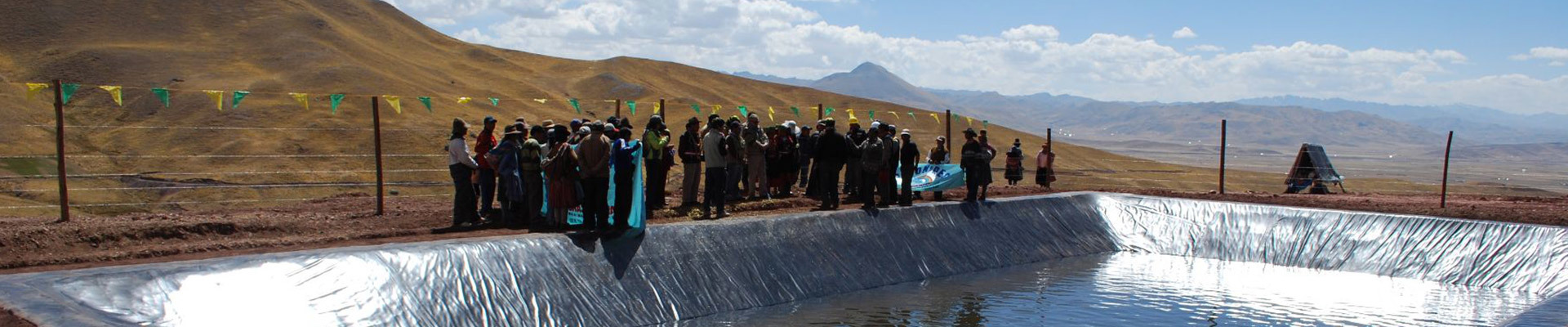
HDPE textured surface geomembrane application
Release time:
2024-08-23
Rough geomembrane is an anti-seepage material used in geotechnical engineering, usually made of high-density polyethylene (HDPE) or low-density polyethylene (LDPE)
Rough geomembrane is an anti-seepage material used in geotechnical engineering, usually made of high-density polyethylene (HDPE) or low-density polyethylene (LDPE). Compared with ordinary flat geomembranes, the surface of rough geomembranes has an uneven texture or granular structure. This surface structure can increase the friction between the geomembrane and the soil or other materials, thereby improving its stability in applications such as slopes and side slopes, and preventing the occurrence of slippage.
Rough geomembranes are usually used in landfills, mine tailings ponds, reservoirs, dams and other projects that require high anti-seepage and increase the friction coefficient. It has good chemical corrosion resistance, anti-aging performance and weather resistance, and can maintain its anti-seepage effect for a long time under various harsh environmental conditions.
Rough geomembranes are widely used in geotechnical engineering, especially in situations where anti-seepage and increased friction are required. The following are some typical application scenarios:
1. Landfills
Rough geomembranes are widely used in landfills, usually for bottom lining and cover layers. It can effectively prevent leachate from seeping into groundwater, while its rough surface structure increases friction with the soil, prevents soil slippage, and improves the stability of the entire system.
2. Mine tailings ponds
In mine tailings ponds, rough geomembranes are used for anti-seepage treatment of tailings dams. Waste and chemicals in tailings ponds may pollute the environment. Rough geomembranes can prevent these harmful substances from leaking into groundwater, while providing stability on the slope of the dam to prevent landslides or collapses.
3. Reservoirs and dams
Rough geomembranes are also widely used in anti-seepage treatment of reservoirs and dams. It can be laid on the inner and outer slopes of the dam to prevent water seepage, while increasing the friction between the geomembrane and the substrate to ensure the structural stability of the dam.
4. Tunnel anti-seepage
In tunnel engineering, rough geomembrane is used for anti-seepage treatment inside the tunnel. It can effectively prevent groundwater from entering the tunnel structure and prevent water leakage, and its surface roughness helps the adhesion between the tunnel lining and the anti-seepage layer.
5. Artificial lakes and reservoirs
Rough geomembrane can be used as the anti-seepage lining of artificial lakes and reservoirs to prevent water seepage and maintain the storage capacity of water. Especially in places with large slopes, the rough surface structure helps to enhance stability and prevent soil slippage.
6. Soil reinforcement
In soil reinforcement projects, rough geomembrane can be used as a reinforcement material to provide additional tensile strength and friction, enhance the overall stability of the soil, and prevent landslides and collapses.
 |
PROJECT CASES

Apr 25,2024
Apr 25,2024
Apr 25,2024
Apr 25,2024
Apr 25,2024
Apr 25,2024
Apr 25,2024
Apr 25,2024

Get a quote or fast support
Experienced teams of project experts will provide you with competitive quotes, best service and free samples.
Contact us now
CONTACT US
Tel : +86-158 5345 5188
WhatsApp : +86-158 5345 5188
Wechat : +86-158 5345 5188
Email : Selina@dzhxchina.com
Factory Address: South head of Xingguo Street, Lingcheng District Economic Development Zone, Dezhou City, Shandong, China