Welcome to Dezhou Huaxiang new material technology Co., Ltd. official website

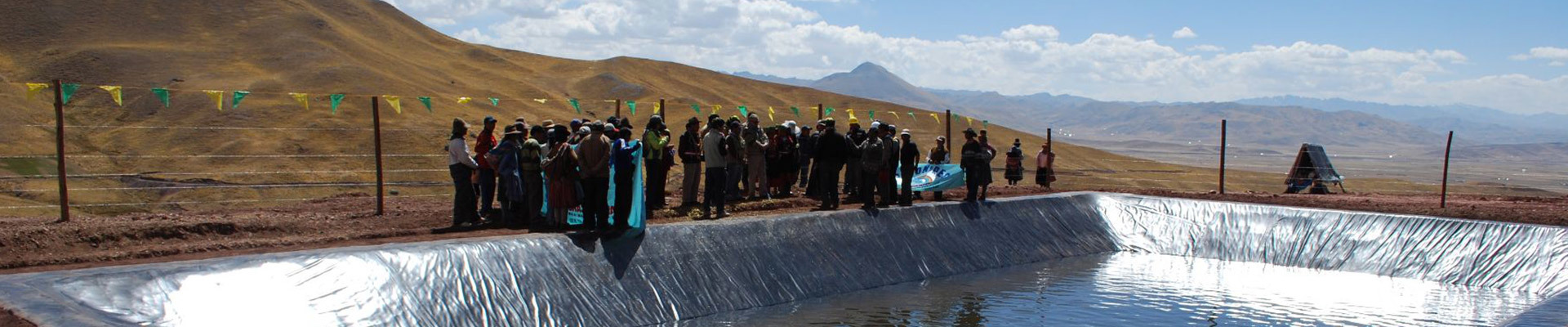
The most commonly used composite membrane - two cloths and one membrane
Release time:
2024-09-09
The product is suitable for seepage reduction, canal lining or channel lining, protection, separation and horizontal drainage. This material shortened the construction time of the project.
Structural features
Two-cloth-one-membrane is a type of geosynthetic composite geomembrane, which is composed of two layers of geotextile and a layer of plastic PE film. This structure has good anti-seepage effect, sufficient strength and long service life. Its characteristics include:
-Strong anti-seepage performance: The PE film layer in the middle provides excellent anti-seepage function and can effectively prevent liquid penetration.
-High tensile strength: The two layers of geotextile enhance the tensile strength of the overall structure, making it suitable for various complex terrains and engineering environments.
-Good durability: The material has good weather resistance and chemical corrosion resistance and can be used for a long time in a variety of environments.
-Easy construction: The material is light, easy to lay and weld, and can greatly shorten the construction period.
Application areas
Water conservancy projects: such as anti-seepage treatment of projects such as reservoirs, embankments, and channels.
Environmental protection projects: anti-seepage layers of environmental protection facilities such as landfills, farms, and sewage treatment plants.
Transportation engineering: anti-seepage and reinforcement of transportation facilities such as tunnels, roads, and railways.
Construction engineering: roof waterproofing, basement waterproofing, etc.
Aquaculture: used for waterproofing and isolation of aquaculture facilities such as fish ponds and shrimp ponds.
Specifications
Common specifications include PE films of different thicknesses and different types of geotextiles. Generally speaking, the thickness of the intermediate PE film can range from 0.2mm to 2.0mm, and the geotextile can be selected as long filament or short filament type, and there are also a variety of colors to choose from.
Construction method
-Surface treatment: Clean the surface to ensure that it is flat and free of debris, and remove accumulated water.
-Laying fine sand: Lay a layer of fine sand with a thickness of 10mm on the surface and level it.
-Laying composite geomembrane: Lay two cloths and one membrane on the fine sand layer, reserve welding edges, and ensure that the membrane fits tightly with the surface.
-Welding and overlap: Use a hot melt welding machine to weld or overlap the edges of two adjacent membranes, and the overlap width is generally 10-15 cm.
-Fix and anchor: dig an anchor trench at a certain distance from the slope for fixation, or use iron, galvanized strips and other fixing materials to fix on the cement wall.
-Backfill and cover: Backfill and cover in time to ensure that the composite geomembrane will not slip or be damaged.
During the construction process, it is also necessary to protect the composite geomembrane from damage and avoid direct sunlight and piercing by sharp objects.
 |
 |
 |
PROJECT CASES

Apr 25,2024
Apr 25,2024
Apr 25,2024
Apr 25,2024
Apr 25,2024
Apr 25,2024
Apr 25,2024
Apr 25,2024

Get a quote or fast support
Experienced teams of project experts will provide you with competitive quotes, best service and free samples.
Contact us now
CONTACT US
Tel : +86-158 5345 5188
WhatsApp : +86-158 5345 5188
Wechat : +86-158 5345 5188
Email : Selina@dzhxchina.com
Factory Address: South head of Xingguo Street, Lingcheng District Economic Development Zone, Dezhou City, Shandong, China