Welcome to Dezhou Huaxiang new material technology Co., Ltd. official website

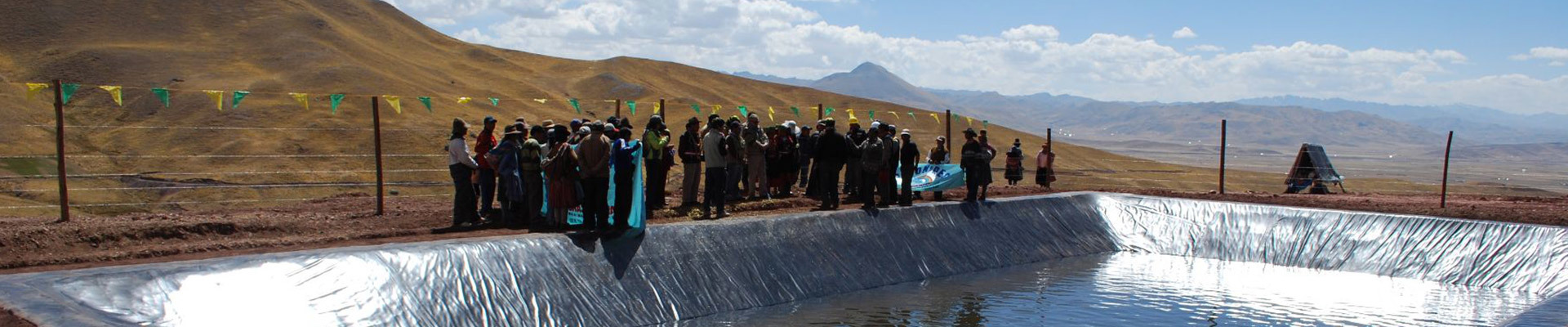
Application scenarios of geomembranes
Release time:
2024-09-11
Geomembrane is a thin film made of synthetic materials, mainly used in civil engineering and environmental engineering, with functions such as waterproofing, anti-seepage, isolation, and reinforcement.
Geomembrane is a thin film made of synthetic materials, mainly used in civil engineering and environmental engineering, with functions such as waterproofing, anti-seepage, isolation, and reinforcement. Its main application scope includes:
Dam and reservoir: Geomembrane is often used in the anti-seepage layer of the dam to prevent moisture from penetrating into the dam body, thereby reducing the leakage of the reservoir and maintaining the water storage capacity of the reservoir.
Landfill: Geomembrane is laid at the bottom and side of the landfill to prevent the pollution of soil and groundwater by leachate and control the release of gas.
Sewage treatment plant: Used in sludge pools and water storage tanks of sewage treatment plants to prevent the leakage of sewage or sludge and protect the surrounding environment.
Road engineering: In road construction, geomembrane can be used as an isolation layer to prevent mixing between different soil layers and improve the stability and durability of the road.
Mining engineering: In the process of mining, it is used for anti-seepage and isolation at the bottom and surrounding areas of the mine pit to prevent the penetration and diffusion of harmful substances.
Agriculture: In farmland or greenhouse, geomembranes can be used to prevent soil erosion, maintain soil moisture, and control weed growth.
Landscape engineering: Used for anti-seepage treatment in artificial lakes, landscape water bodies and other projects to ensure the stability and quality of water bodies.
Building foundation: Use geomembranes in the waterproof layer of the building foundation to prevent groundwater from affecting the building foundation.
 |
The main materials of geomembranes are high-density polyethylene (HDPE), polyvinyl chloride (PVC), ethylene-vinyl acetate copolymer (EVA), etc. Each material has different performance characteristics and is suitable for different application environments.
PROJECT CASES

Apr 25,2024
Apr 25,2024
Apr 25,2024
Apr 25,2024
Apr 25,2024
Apr 25,2024
Apr 25,2024
Apr 25,2024

Get a quote or fast support
Experienced teams of project experts will provide you with competitive quotes, best service and free samples.
Contact us now
CONTACT US
Tel : +86-158 5345 5188
WhatsApp : +86-158 5345 5188
Wechat : +86-158 5345 5188
Email : Selina@dzhxchina.com
Factory Address: South head of Xingguo Street, Lingcheng District Economic Development Zone, Dezhou City, Shandong, China