Welcome to Dezhou Huaxiang new material technology Co., Ltd. official website

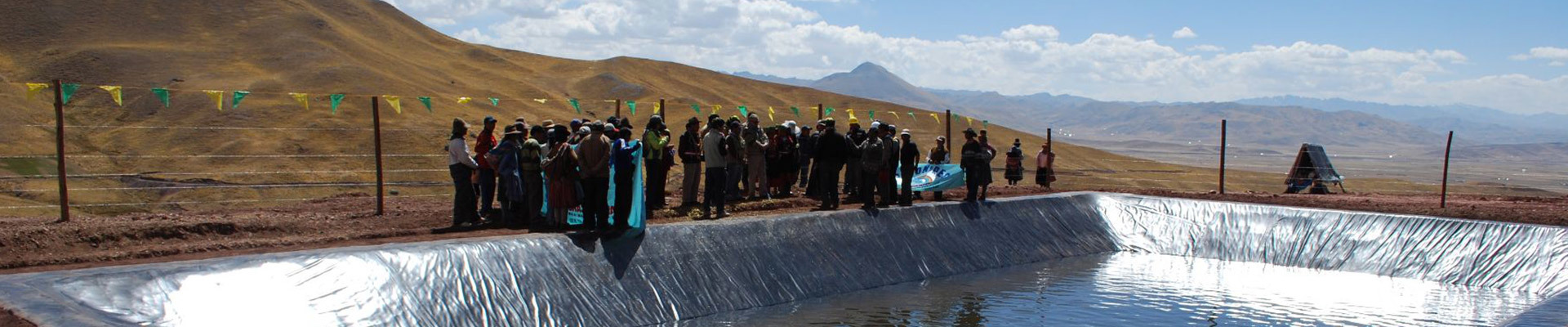
Application of geomembrane in aquaculture
Release time:
2024-09-12
The application of geomembranes in aquaculture is a relatively professional field, mainly involving its use in water management and bottom protection.
The application of geomembranes in aquaculture is a relatively professional field, mainly involving its use in water management and bottom protection. The following are some of the main applications of geomembranes in aquaculture:
Water seepage prevention: Geomembranes can effectively prevent water seepage and reduce water loss. Especially in farms with large water bodies such as fish ponds and shrimp ponds, the use of geomembranes can prevent water from penetrating into the ground, thereby saving water resources and maintaining water stability.
Bottom protection: Laying geomembranes on the bottom of aquaculture farms can protect the bottom soil from erosion and pollution, reduce the accumulation of bottom mud, and improve water quality. This helps to maintain the stability and cleanliness of the breeding environment.
Preventing weed growth: Laying geomembranes on the edges and bottom of aquaculture ponds can effectively prevent the growth of weeds. This not only reduces the need for manual weeding, but also avoids the impact of weeds on water quality.
Ecological and environmental protection: Geomembranes can also be used for ecological protection in aquaculture areas, such as preventing nutrients in aquaculture water from leaking into the surrounding environment, avoiding eutrophication of water bodies, and thus protecting the surrounding ecosystem.
Improve water temperature stability: In cold regions, geomembranes can be used to cover aquaculture ponds to help maintain a stable water temperature and avoid the impact of low water temperature on aquatic organisms.
Manage sediments: Geomembranes can be used to manage sediments in ponds to prevent sediments from polluting the water or affecting the water quality.
 |
In short, the application of geomembranes in aquaculture can effectively improve the management level of the aquaculture environment, improve water quality, reduce maintenance costs, and protect the ecological environment.
PROJECT CASES

Apr 25,2024
Apr 25,2024
Apr 25,2024
Apr 25,2024
Apr 25,2024
Apr 25,2024
Apr 25,2024
Apr 25,2024

Get a quote or fast support
Experienced teams of project experts will provide you with competitive quotes, best service and free samples.
Contact us now
CONTACT US
Tel : +86-158 5345 5188
WhatsApp : +86-158 5345 5188
Wechat : +86-158 5345 5188
Email : Selina@dzhxchina.com
Factory Address: South head of Xingguo Street, Lingcheng District Economic Development Zone, Dezhou City, Shandong, China