Welcome to Dezhou Huaxiang new material technology Co., Ltd. official website

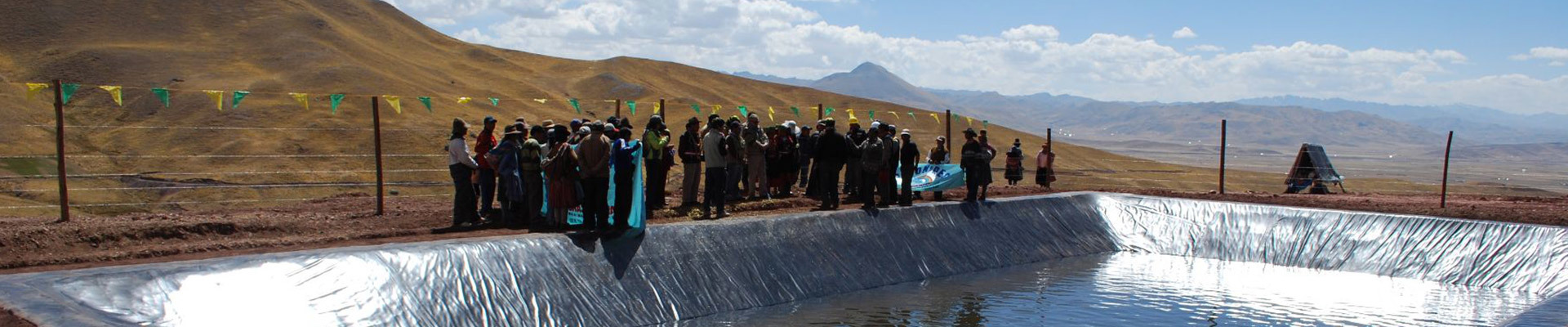
Application of geomembrane with different thickness
Release time:
2024-09-18
Geomembranes of different thicknesses have their own advantages and disadvantages in terms of strength, durability and cost.
Geomembrane can be applied to a variety of scenarios according to different thicknesses. Here are some common applications:
Thin geomembrane (less than 0.5mm):
Anti-seepage: used for small pools, fish ponds and landscape water bodies to prevent water loss.
Environmental protection: at the bottom of waste landfills, to prevent pollutants from leaking.
Medium-thick geomembrane (0.5mm - 1.5mm):
Large-scale water conservancy projects: used for anti-seepage of reservoirs, irrigation channels and dams.
Soil protection: on slopes and farmland, to reduce soil erosion and improve soil quality.
Thick geomembrane (more than 1.5mm):
Landfill: used for the anti-seepage layer of waste landfills to ensure that harmful substances do not enter the groundwater.
Heavy-loaded structures: used in mines, quarries and other environments that need to withstand heavy loads to provide additional support and protection.
Special scenarios:
Waterproof dams: used to improve the anti-seepage performance of dams in specific flood control projects.
Air membrane structure: In some stadiums or temporary buildings, it is used as the outer layer of the air membrane structure.
Geomembranes of different thicknesses have their own advantages and disadvantages in terms of strength, durability and cost. When choosing, it is necessary to make comprehensive considerations based on the specific project requirements.
 |
PROJECT CASES

Apr 25,2024
Apr 25,2024
Apr 25,2024
Apr 25,2024
Apr 25,2024
Apr 25,2024
Apr 25,2024
Apr 25,2024

Get a quote or fast support
Experienced teams of project experts will provide you with competitive quotes, best service and free samples.
Contact us now
CONTACT US
Tel : +86-158 5345 5188
WhatsApp : +86-158 5345 5188
Wechat : +86-158 5345 5188
Email : Selina@dzhxchina.com
Factory Address: South head of Xingguo Street, Lingcheng District Economic Development Zone, Dezhou City, Shandong, China