Welcome to Dezhou Huaxiang new material technology Co., Ltd. official website

What is the use of geomembranes in civil engineering?
Release time:
2024-09-29
Geomembranes are synthetic materials widely used in civil engineering for a variety of applications related to containment, environmental protection and water management. They are typically made from high density polyethylene (HDPE), low density polyethylene (LDPE), polyvinyl chloride (PVC) and other flexible materials. Geomembranes play a number of key roles in civil engineering
Geomembranes are synthetic materials widely used in civil engineering for a variety of applications related to containment, environmental protection and water management. They are typically made from high-density polyethylene (HDPE), low-density polyethylene (LDPE), polyvinyl chloride (PVC) and other flexible materials. Geomembranes play a variety of key roles in civil engineering, including:
Landfill liner systems: Geomembranes are commonly used as landfill liners to prevent leachate (the liquid that drains from the waste) from contaminating the surrounding soil and groundwater. They form a barrier that separates the waste from the environment and helps prevent contamination.
Geomembrane covers for landfills: In addition to being used as liners, geomembranes can be used as covers or caps to control odors, reduce gas emissions, and control moisture infiltration.
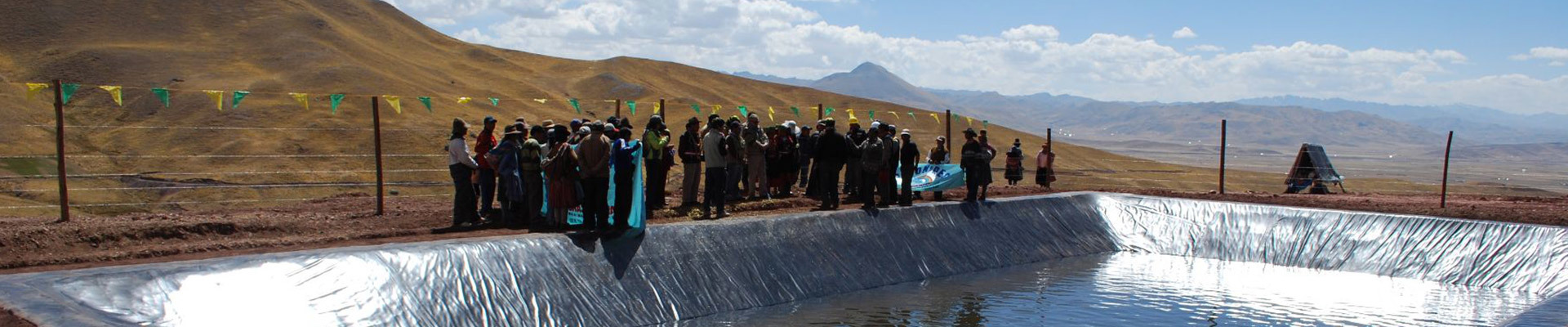
Pond liners: Geomembranes are used as liners for a variety of ponds, such as wastewater treatment ponds, decorative ponds and agricultural ponds. They prevent seepage and soil erosion while maintaining water quality.
Waterproofing of dams and canals: Geomembranes are used for waterproofing dams, canals and reservoirs in hydraulic engineering. They ensure water storage and prevent seepage, which is essential for the safety and efficiency of these structures.
Stormwater management: Geomembranes are used in stormwater management systems to create detention and retention ponds. They help control stormwater flow and prevent soil erosion.
Secondary containment: Geomembranes are used in secondary containment systems in industries that handle hazardous materials to prevent leaks and spills from entering the environment.
Aquaculture: Geomembranes are used to line fish and shrimp ponds in aquaculture. They help maintain water quality and prevent contamination of the surrounding ecosystem.
Tunnels and Underground Structures: Geomembranes are used in tunnel construction and underground structures to waterproof, prevent water infiltration and prevent corrosion.
Erosion Control: Geomembranes are used in erosion control systems such as retaining walls and slope stabilization to prevent soil erosion and landslides.
Geomembrane Channels: In some cases, geomembranes are arranged in channels to ensure efficient water conveyance and prevent seepage.
The choice of geomembrane material and thickness depends on the specific requirements of the project, including environmental factors, site conditions and intended use. Geomembranes play a vital role in protecting the environment, controlling water resources and ensuring the structural integrity of various civil engineering projects.
PROJECT CASES

Apr 25,2024
Apr 25,2024
Apr 25,2024
Apr 25,2024
Apr 25,2024
Apr 25,2024
Apr 25,2024
Apr 25,2024

Get a quote or fast support
Experienced teams of project experts will provide you with competitive quotes, best service and free samples.
Contact us now
CONTACT US
Tel : +86-158 5345 5188
WhatsApp : +86-158 5345 5188
Wechat : +86-158 5345 5188
Email : Selina@dzhxchina.com
Factory Address: South head of Xingguo Street, Lingcheng District Economic Development Zone, Dezhou City, Shandong, China