Welcome to Dezhou Huaxiang new material technology Co., Ltd. official website

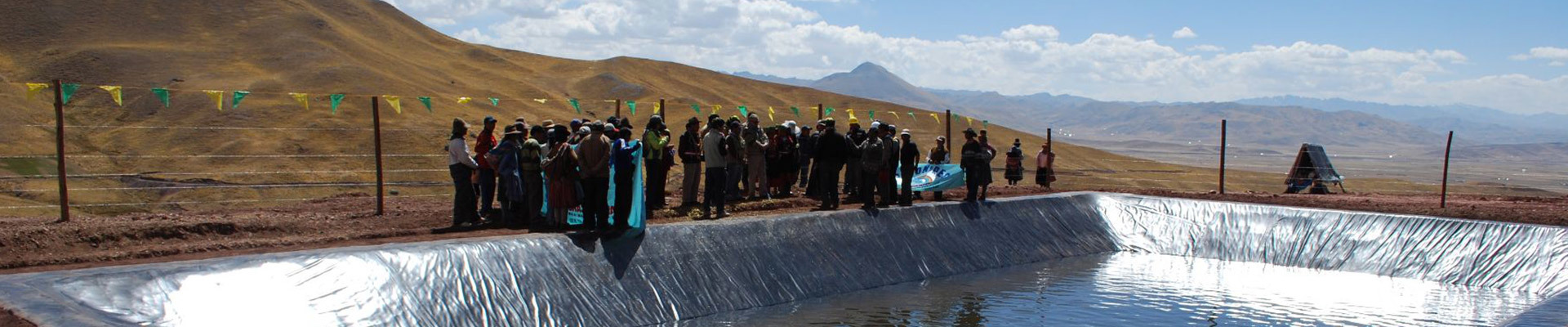
Rough geomembrane application
Release time:
2024-10-09
Rough geomembrane is a synthetic material with a special surface structure, which is usually used in civil engineering and environmental engineering
Rough geomembrane is a synthetic material with a special surface structure, which is usually used in civil engineering and environmental engineering. Its characteristics and advantages include:
Features
Rough surface: increases friction with soil or other materials and improves its fixing performance.
High strength and durability: generally made of materials such as polyethylene and polypropylene, with strong tensile and compressive resistance.
Impeccable performance: can effectively prevent water penetration and is suitable for anti-seepage projects.
Application advantages
Improve stability: in projects such as tailings ponds, the friction of rough geomembranes helps to improve the overall stability of the soil and reduce the risk of landslides and collapses.
Prevent soil erosion: effectively prevent water penetration in tailings ponds, help prevent soil erosion and pollution spread.
Reduce environmental impact: reduce the impact of tailings ponds on the surrounding environment and help protect water bodies.
Construction precautions
Substrate treatment: before laying, the substrate needs to be cleaned to ensure that there are no debris and sharp objects to avoid damage to the membrane.
Laying method: according to the design requirements, ensure that the joints and overlapping parts of the membrane are not folded, and use special welding equipment for connection.
Quality inspection: After construction, the integrity and anti-seepage performance of the membrane need to be inspected to ensure that the design standards are met.
The application of rough geomembranes in tailings ponds can significantly improve the safety and environmental protection of the project.
 |
PROJECT CASES

Apr 25,2024
Apr 25,2024
Apr 25,2024
Apr 25,2024
Apr 25,2024
Apr 25,2024
Apr 25,2024
Apr 25,2024

Get a quote or fast support
Experienced teams of project experts will provide you with competitive quotes, best service and free samples.
Contact us now
CONTACT US
Tel : +86-158 5345 5188
WhatsApp : +86-158 5345 5188
Wechat : +86-158 5345 5188
Email : Selina@dzhxchina.com
Factory Address: South head of Xingguo Street, Lingcheng District Economic Development Zone, Dezhou City, Shandong, China