Welcome to Dezhou Huaxiang new material technology Co., Ltd. official website

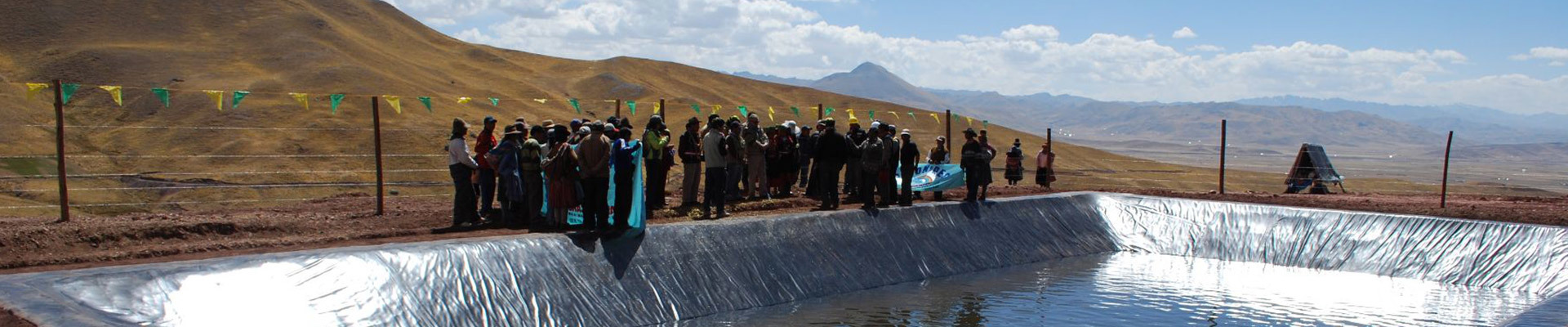
Different uses of rough geomembranes and smooth geomembranes
Release time:
2024-10-10
There are significant differences in uses between rough geomembranes and smooth geomembranes, mainly due to their unique physical properties and applicable environments. Each has its own emphasis on use. When selecting, you should determine which type of geomembrane to use based on specific project needs.
Rough surface geomembrane
Rough geomembrane is a geosynthetic material that uses polyethylene as the base material, is processed into films of different thicknesses, and is processed with a layer of rough surface on its surface. Its characteristics and uses are as follows:
1.Characteristic
Increase friction: One side of the rough geomembrane has a non-flat convex structure. This design can significantly increase the friction between the material and the foundation and prevent relative sliding between the material and the foundation.
Anti-permeability performance: The rough surface treatment not only enhances the anti-slip performance of the geomembrane, but also improves its anti-permeability performance to ensure the stability and durability of the engineering structure.
Environmental adaptability: The rough geomembrane has better elongation at break and environmental stress cracking resistance, and can maintain stable performance in various complex environments.
2.Use
Slope anti-slip and anti-seepage: Rough surface geomembrane is often used on the slopes of daily life garbage landfills, tailings ponds and other projects to provide effective anti-slip and anti-seepage protection.
Roof waterproofing: As a waterproof material for roofs, front balconies and other building parts, rough geomembrane can effectively prevent rainwater from leaking into the house.
Road, bridge and tunnel projects: In these projects, rough geomembranes can isolate moisture penetration between different layers and enhance the load-bearing capacity of the foundation.
Water conservancy projects: Rough geomembranes play an important role in anti-seepage, reinforcement of river banks, dams and other projects, providing stable water conservancy protection.
Smooth geomembrane
Smooth geomembrane, also known as smooth geomembrane, is a widely used waterproof barrier geosynthetic material with polymer as the basic raw material. Its characteristics and uses are as follows:
1.Characteristic
Smooth surface: Smooth geomembrane has a very smooth surface with no obvious lines or bumps, which makes the membrane material have a low friction coefficient.
Extremely low permeability: The smooth geomembrane has extremely low permeability, which can effectively prevent the penetration of moisture and gas and ensure the waterproof performance of the engineering structure.
Chemical resistance and UV resistance: A certain amount of carbon black, antioxidants, anti-aging agents, UV absorbers and other auxiliary materials are added during the production process to make the smooth geomembrane have excellent chemical resistance and UV resistance.
2.Use
Waterproofing projects: Smooth geomembranes are often used in situations where liquid resistance needs to be reduced, such as waterproofing projects, tunnel linings, anti-seepage of canals and reservoirs, etc.
Environmental protection projects: In the field of environmental protection, smooth geomembranes are widely used in anti-seepage treatment in sewage treatment, tailings anti-seepage, landfill and other projects.
Municipal engineering and aquaculture: Smooth geomembranes are also commonly used in municipal engineering and aquaculture and other fields to provide effective waterproofing and barrier protection.
As the world's leading manufacturer of geomembrane products, our commitment to innovation and quality makes us the first choice of engineers, contractors and project managers around the world. If you have a geomembrane project under construction, please feel free to contact us. Our professional sales consultants will provide technical solutions online 24 hours a day. At the same time, we can also provide you with free samples for testing.
 |
 |
 |
 |
PROJECT CASES

Apr 25,2024
Apr 25,2024
Apr 25,2024
Apr 25,2024
Apr 25,2024
Apr 25,2024
Apr 25,2024
Apr 25,2024

Get a quote or fast support
Experienced teams of project experts will provide you with competitive quotes, best service and free samples.
Contact us now
CONTACT US
Tel : +86-158 5345 5188
WhatsApp : +86-158 5345 5188
Wechat : +86-158 5345 5188
Email : Selina@dzhxchina.com
Factory Address: South head of Xingguo Street, Lingcheng District Economic Development Zone, Dezhou City, Shandong, China