Welcome to Dezhou Huaxiang new material technology Co., Ltd. official website

Application of Geomembrane
Release time:
2024-10-29
Geomembrane is a waterproof barrier material with high molecular polymer (such as HDPE) as the basic raw material, which is widely used in many fields
Geomembrane is a waterproof barrier material with high molecular polymer (such as HDPE) as the basic raw material, which is widely used in many fields. The following is a detailed introduction to geomembrane:
1. Basic characteristics
Anti-seepage performance: Geomembrane uses plastic film as the anti-seepage base material, and its anti-seepage performance mainly depends on the performance of the plastic film. Commonly used plastic film materials include polyvinyl chloride (PVC), polyethylene (PE) and EVA (ethylene/vinyl acetate copolymer), etc. These materials have the characteristics of small specific gravity, strong elongation, high adaptability to deformation, corrosion resistance, low temperature resistance, and good anti-freezing performance.
Width and thickness: Geomembrane specifications are diverse, and the width and thickness can be selected according to specific needs. Generally speaking, the wider the width, the higher the construction efficiency; the thicker the thickness, the better the anti-seepage effect, but the cost will also increase accordingly.
Tensile strength and elongation: Geomembrane has high tensile strength and elongation, and can withstand a certain amount of water pressure and adapt to the deformation of the dam body. At the same time, the combination of non-woven fabrics and plastic films also enhances its tensile strength and puncture resistance.
Weather resistance and stability: Geomembrane has excellent chemical corrosion resistance and weather resistance, and can be used exposed for a long time while maintaining its original performance. In addition, it also has good anti-aging properties, which can extend the service life of the project.
2. Main uses
Water conservancy projects: used for anti-seepage, plugging and reinforcement of river, lake and reservoir dams, anti-seepage of canals, and vertical core wall slope protection, etc.
Environmental protection projects: used for anti-seepage treatment of landfills, sewage treatment plants, power plant regulating pools, and solid waste in industrial hospitals, etc.
Municipal engineering: used for anti-seepage of subway buildings, underground projects, planted roofs, roof gardens, and sewage pipes, etc.
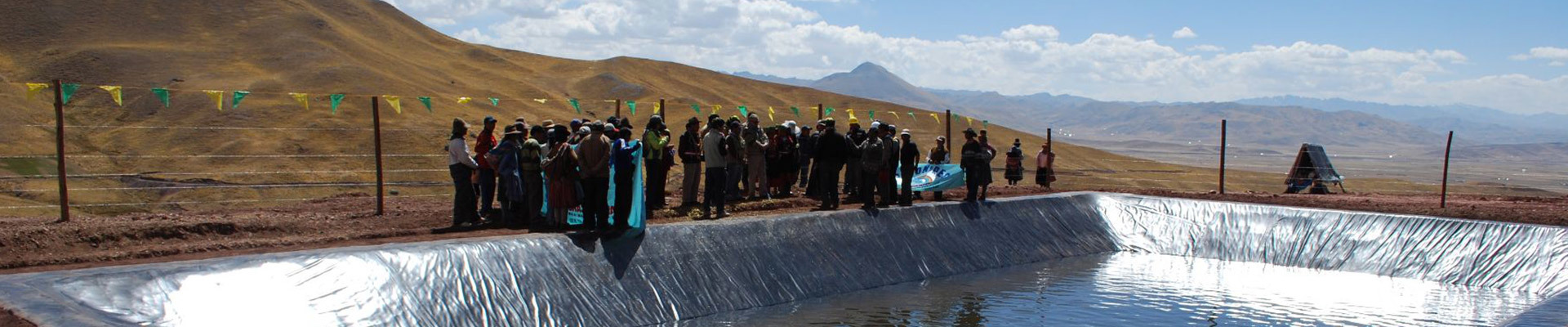
Agriculture and aquaculture: used for anti-seepage of reservoir pools, water storage tanks, irrigation systems, and intensive factory breeding pools, fish ponds, etc.
Petrochemical and mining: used for anti-seepage of chemical plants, petroleum plants, oil storage tanks, and bottom lining anti-seepage of washing pools, stacking pools, ash yard dissolution pools, etc.
 |
PROJECT CASES

Apr 25,2024
Apr 25,2024
Apr 25,2024
Apr 25,2024
Apr 25,2024
Apr 25,2024
Apr 25,2024
Apr 25,2024

Get a quote or fast support
Experienced teams of project experts will provide you with competitive quotes, best service and free samples.
Contact us now
CONTACT US
Tel : +86-158 5345 5188
WhatsApp : +86-158 5345 5188
Wechat : +86-158 5345 5188
Email : Selina@dzhxchina.com
Factory Address: South head of Xingguo Street, Lingcheng District Economic Development Zone, Dezhou City, Shandong, China