Welcome to Dezhou Huaxiang new material technology Co., Ltd. official website

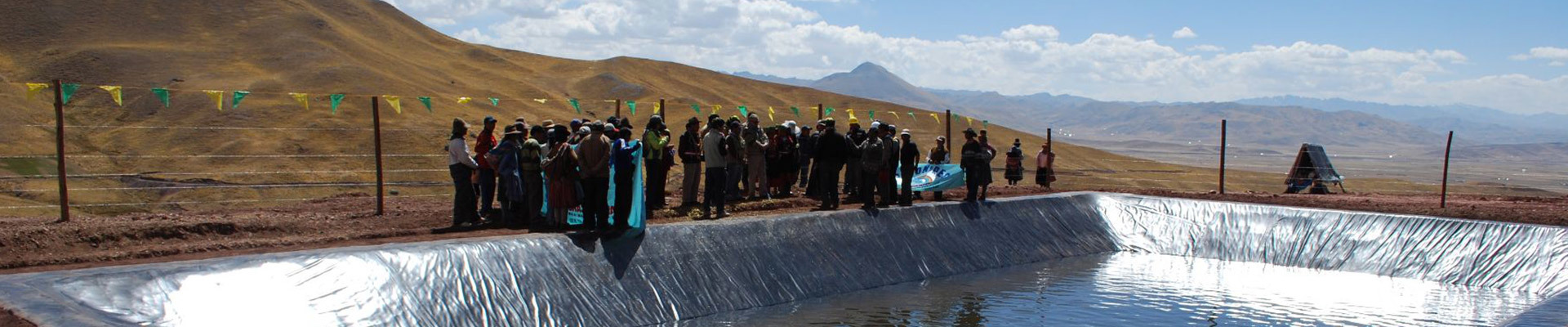
What is the anti-seepage performance of geomembrane?
Release time:
2024-11-01
Geomembrane has the characteristics of extremely low permeability, wide chemical stability, excellent resistance to high and low temperatures, strong anti-aging, high strength and toughness, and is an excellent waterproof material.
What is the anti-seepage performance of geomembrane?
1. Anti-seepage principle
Geomembrane is a waterproof barrier material with high molecular polymer as the basic raw material. It is mainly composed of plastic film as the anti-seepage substrate and non-woven fabric. The anti-seepage principle is that the plastic film has very low permeability and can effectively prevent the penetration of water and liquids.
2. Anti-seepage performance characteristics
Extremely low permeability: The permeability coefficient of geomembrane is usually less than 10^-11cm/s, which is almost impermeable, so it can effectively prevent the penetration of water and other liquids.
Wide applicability: Geomembrane is suitable for various occasions that require anti-seepage, such as landfills, reservoirs, artificial lakes, irrigation systems, tunnels, underground projects, etc. In these occasions, geomembranes can play an important anti-seepage role and protect the safety and stability of infrastructure and soil.
Chemical stability: Geomembrane can resist the corrosion of strong acids, alkalis, and oils, and resist the erosion of acids, alkalis, and salts, so it can maintain stable anti-seepage performance in some environments with corrosive substances.
Weather resistance and aging resistance: Geomembrane has strong weather resistance and aging resistance, can be used stably for a long time under different climatic conditions, and is not easily affected by ultraviolet rays, acid and alkali and other factors.
3. Factors affecting anti-seepage performance
Although geomembranes have excellent anti-seepage performance, their anti-seepage effect will also be affected by some factors:
Material and thickness: Geomembranes of different materials and thicknesses have different anti-seepage performance. Generally speaking, geomembranes made of high molecular polymer materials have better anti-seepage performance, and the greater the thickness, the better the anti-seepage performance.
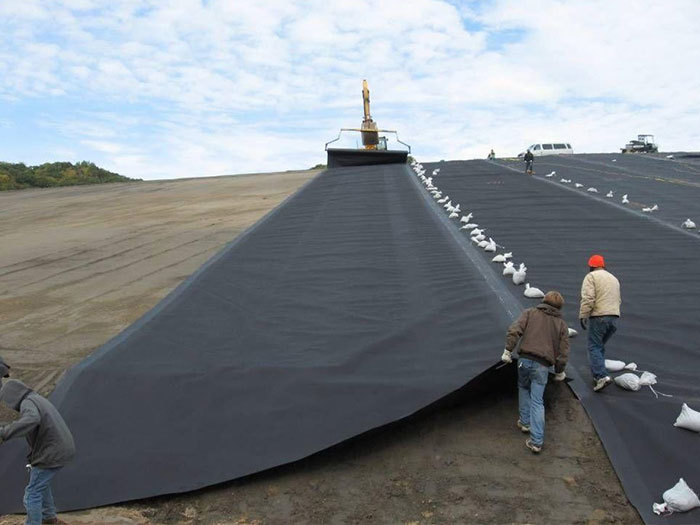
Construction quality: The construction quality of geomembranes has a great influence on their anti-seepage performance. If there are problems such as damage and loose joints during construction, the anti-seepage performance will be reduced.
Use environment: The use environment will also affect the anti-seepage performance of geomembranes. For example, under extreme temperature conditions, the performance of geomembranes may change, thereby affecting their anti-seepage effect.
4. Measures to improve anti-seepage performance
In order to improve the anti-seepage performance of geomembranes, the following measures can be taken:
Choose high-quality geomembrane materials: Ensure that the geomembrane has excellent anti-seepage performance and chemical stability.
Strengthen construction management: strictly follow the construction specifications to ensure the quality of geomembrane laying.
Do a good job of joint treatment: use hot melt welding and other connection methods to ensure the sealing of the joints.
Strengthen maintenance and inspection: regularly inspect and maintain the geomembrane to promptly detect and deal with damage and leakage problems.
 |
 |
 |
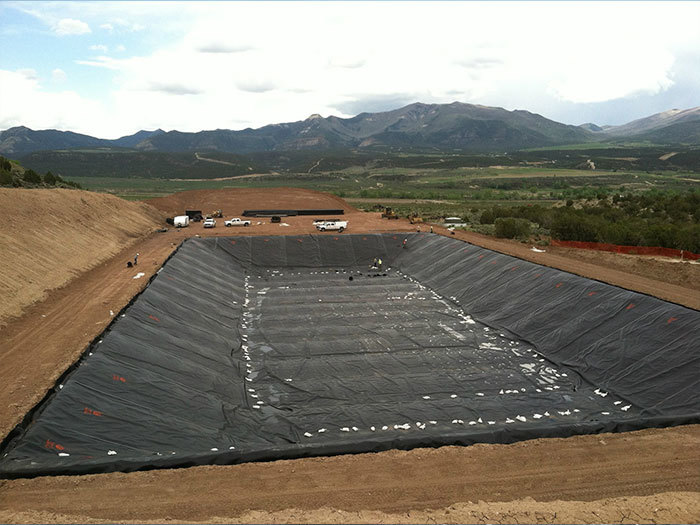
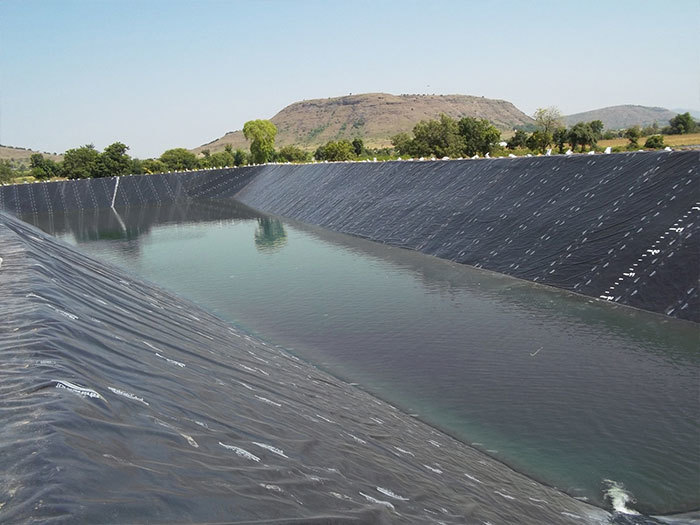
As a leading geomembrane manufacturer, supplier and wholesaler, our quality meets ASTM GRI-GM13 standards. In addition, we have obtained CE, ISO9001, ISO14001 and ISO45001 certificates. Our customer projects include aquaculture (fish ponds, shrimp ponds), water conservancy (canals, dams), environmental protection (landfills, sewage treatment), mining (heap leaching ponds, tailings), agriculture (reservoirs) and many other projects with 100% customer satisfaction.
PROJECT CASES

Apr 25,2024
Apr 25,2024
Apr 25,2024
Apr 25,2024
Apr 25,2024
Apr 25,2024
Apr 25,2024
Apr 25,2024

Get a quote or fast support
Experienced teams of project experts will provide you with competitive quotes, best service and free samples.
Contact us now
CONTACT US
Tel : +86-158 5345 5188
WhatsApp : +86-158 5345 5188
Wechat : +86-158 5345 5188
Email : Selina@dzhxchina.com
Factory Address: South head of Xingguo Street, Lingcheng District Economic Development Zone, Dezhou City, Shandong, China