Welcome to Dezhou Huaxiang new material technology Co., Ltd. official website

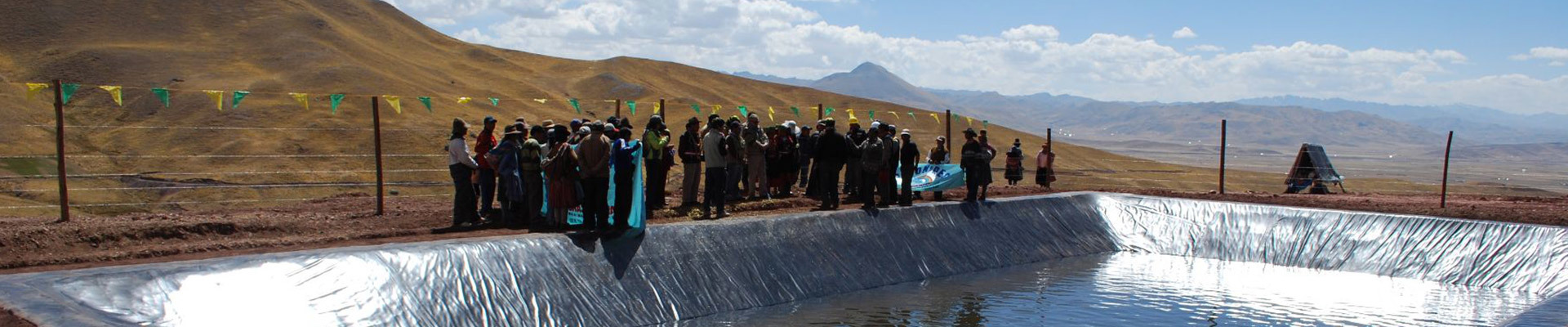
The differences between PCV geomembrane and HDPE geomembrane are as follows
Release time:
2024-11-04
In conclusion, PCV geomembrane and HDPE geomembrane have certain differences in material characteristics, physical properties, chemical stability, scope of application and construction technology. When choosing a geomembrane, various factors should be comprehensively considered according to the specific engineering requirements and use environment to select the appropriate geomembrane material.
The differences between PCV geomembrane and HDPE geomembrane are as follows: **I. Material characteristics** 1. **PCV geomembrane**: - Polyvinyl chloride (PVC) geomembrane is made of polyvinyl chloride resin by adding plasticizers, stabilizers and other additives and processed by calendering or extrusion. - It has certain flexibility and can adapt to a certain degree of terrain changes. - It has good chemical corrosion resistance and has certain resistance to chemical substances such as acids and alkalis. 2. **HDPE geomembrane**: - High-density polyethylene (HDPE) geomembrane is made of high-density polyethylene resin. - It has high strength and hardness and strong puncture resistance. - It has excellent aging resistance and can still maintain good performance under long-term exposure. **II. Physical properties** 1. **Thickness uniformity**: - In the production process of PCV geomembrane, the thickness uniformity is relatively difficult to control, and there may be a certain thickness deviation. - The thickness uniformity of HDPE geomembrane is better, which can ensure the stability of engineering quality. 2. **Tensile strength**: - HDPE geomembrane has a higher tensile strength, generally reaching more than 25 MPa, and can withstand greater tension and pressure. - The tensile strength of PCV geomembrane is relatively low, generally around 15 MPa. 3. **Elongation at break**: - PCV geomembrane has a higher elongation at break, up to more than 200%, and has good flexibility and the ability to adapt to deformation. - The elongation at break of HDPE geomembrane is relatively low, generally around 700%, but it can still meet the requirements of most projects. **III. Chemical stability** 1. **Acid and alkali resistance**: - Both geomembranes have certain acid and alkali resistance, but HDPE geomembrane performs better in acid and alkali resistance and can be used in a wider range of pH values. - PCV geomembrane may be corroded and aged to a certain extent in strong acid and alkali environments. 2. **Resistance to chemical erosion**: - HDPE geomembrane has strong resistance to various chemical substances and is not easily eroded by chemical substances. - PCV geomembrane has weak resistance to some organic solvents and oily substances and is easily eroded. **IV. Scope of application** 1. **Water conservancy projects**: - HDPE geomembrane is widely used in the anti-seepage treatment of water conservancy projects such as reservoirs, dams, and channels. Its excellent puncture resistance and aging resistance can ensure the long-term stable operation of the project. - PCV geomembrane can also be used for the anti-seepage of water conservancy projects, but in some projects with high anti-seepage requirements, HDPE geomembrane is more applicable. 2. **Environmental protection projects**: - In environmental protection projects such as landfills and sewage treatment plants, HDPE geomembrane is the preferred anti-seepage material. Its good chemical stability and aging resistance can effectively prevent the leakage of harmful substances. - The application of PCV geomembrane in environmental protection projects is relatively rare, mainly due to its insufficient resistance to chemical erosion. 3. **Mining engineering**: - In mining engineering such as mine tailings ponds and slag yards, HDPE geomembrane can withstand greater pressure and tension and effectively prevent the leakage of slag and tailings and protect the environment. - The application of PCV geomembrane in mining engineering is also limited to a certain extent, mainly due to its relatively weak strength and puncture resistance. **V. Construction technology** 1. **Welding method**: - HDPE geomembrane is usually connected by hot melt welding. The welding quality is reliable and can form a continuous and sealed anti-seepage layer. - PCV geomembrane is generally connected by hot air welding or adhesive bonding. The welding quality is relatively difficult to guarantee, and leakage problems are easy to occur. 2. **Construction difficulty**: - The construction of HDPE geomembrane is relatively simple, and the technical requirements for construction personnel are low. - The construction difficulty of PCV geomembrane is relatively large, and professional construction teams and equipment are required. During the construction process, the welding temperature and speed need to be strictly controlled to ensure the welding quality. In conclusion, PCV geomembrane and HDPE geomembrane have certain differences in material characteristics, physical properties, chemical stability, scope of application and construction technology. When choosing a geomembrane, various factors should be comprehensively considered according to the specific engineering requirements and use environment to select the appropriate geomembrane material.
PROJECT CASES

Apr 25,2024
Apr 25,2024
Apr 25,2024
Apr 25,2024
Apr 25,2024
Apr 25,2024
Apr 25,2024
Apr 25,2024

Get a quote or fast support
Experienced teams of project experts will provide you with competitive quotes, best service and free samples.
Contact us now
CONTACT US
Tel : +86-158 5345 5188
WhatsApp : +86-158 5345 5188
Wechat : +86-158 5345 5188
Email : Selina@dzhxchina.com
Factory Address: South head of Xingguo Street, Lingcheng District Economic Development Zone, Dezhou City, Shandong, China