Welcome to Dezhou Huaxiang new material technology Co., Ltd. official website

Differences between HDPE geomembrane and PVC film
Release time:
2024-11-05
There are significant differences between HDPE geomembrane and PVC membrane in terms of material composition, performance characteristics and application scenarios. The choice of material depends on specific engineering requirements and environmental conditions.
Material composition
1. HDPE geomembrane: a waterproof barrier material produced with (medium) high-density polyethylene resin as raw material, also known as high-density polyethylene film, HDPE anti-seepage film. HDPE is a highly crystalline, non-polar thermoplastic resin. The original HDPE is milky white in appearance and is translucent to a certain extent in thin cross-sections.
2. PVC film: made of polyvinyl chloride resin and other modifiers through calendering or blow molding. The general thickness is 0.08~0.2mm, and those greater than 0.25mm are called PVC sheets. The essence of PVC film is a vacuum blister film, which is used for surface packaging of various panels, so it is also called decorative film and adhesive film.
Performance characteristics
HDPE geomembrane:
1. It has excellent resistance to environmental stress cracking, resistance to low temperature, anti-aging, corrosion resistance, as well as a large operating temperature range (-60~+60℃) and a long service life (50 years).
2. It is a flexible waterproof material with a high anti-seepage coefficient (1×10^-17cm/s).
3. It has good heat resistance and cold resistance, and the operating environment temperature is high temperature 110℃ and low temperature -70℃.
4. It has good chemical stability and can resist corrosion from strong acids, alkalis, and oils. It is a good anti-corrosion material.
5. It has high tensile strength and can meet the needs of high-standard engineering projects.
6. It has strong weather resistance and can be used naked for a long time while maintaining its original performance.
PVC film:
1. It is insoluble in water, alcohol, and gasoline, and can swell or dissolve in ether, ketones, chlorinated aliphatic hydrocarbons, and aromatic hydrocarbons.
2. At room temperature, it is resistant to concentrated hydrochloric acid, 90% sulfuric acid, 50%~60% nitric acid, and caustic soda solution below 20%.
3. According to different production processes, it can be divided into plasticized PVC film (soft PVC film) and unplasticized PVC film (hard PVC film). Among them, hard PVC film has good flexibility, is easy to shape, is not brittle, non-toxic and pollution-free, and has a long shelf life.
Application scenarios
1. HDPE geomembrane:
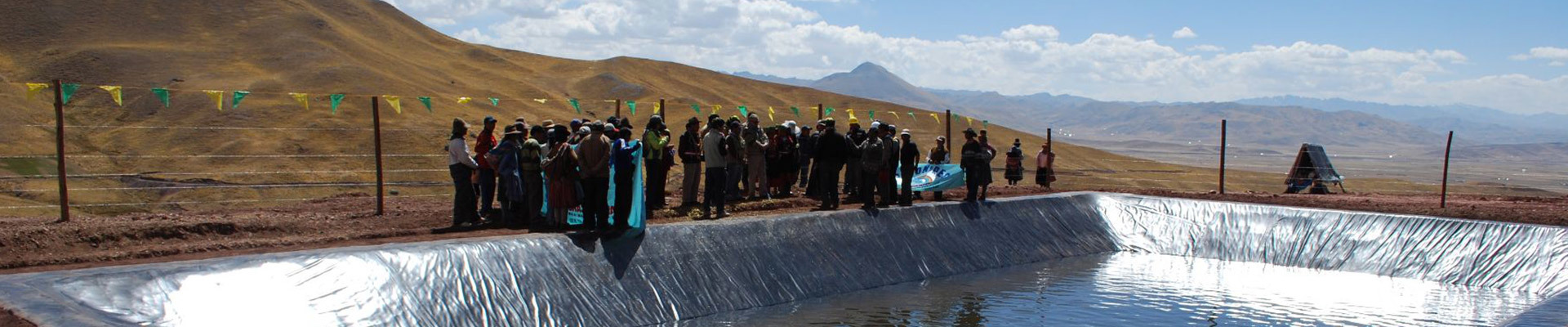
It is widely used in anti-seepage projects such as domestic waste landfill anti-seepage, solid waste landfill anti-seepage, sewage treatment plant anti-seepage, artificial lake anti-seepage, tailings treatment, etc.
It can also be used in reservoirs, dams, environmental protection projects (such as landfills), subways, underground projects of buildings, etc. where anti-seepage is required.
2. PVC film:
① Building materials industry: It is the surface packaging material of various panels.
② Packaging industry: It is used for luggage adhesive tape, logo adhesive tape, advertising stickers, pipeline adhesive tape, etc.
③ Daily life: It is used in footwear, toys, raincoats, tablecloths, umbrellas, agricultural films, etc. Among them, PVC greenhouse film can be used as the outer covering material of greenhouses, greenhouses and small and medium-sized greenhouses. According to its characteristics, it can also be divided into ordinary PVC greenhouse film, PVC anti-aging film, PVC Decorative material (with both anti-aging and dripping characteristics), PVC weather-resistant and drip-free dustproof film, etc.
If you have an order for geogrid, please feel free to contact us, our professional sales consultants will provide you with professional advice, the best prices and beneficial services.
PROJECT CASES

Apr 25,2024
Apr 25,2024
Apr 25,2024
Apr 25,2024
Apr 25,2024
Apr 25,2024
Apr 25,2024
Apr 25,2024

Get a quote or fast support
Experienced teams of project experts will provide you with competitive quotes, best service and free samples.
Contact us now
CONTACT US
Tel : +86-158 5345 5188
WhatsApp : +86-158 5345 5188
Wechat : +86-158 5345 5188
Email : Selina@dzhxchina.com
Factory Address: South head of Xingguo Street, Lingcheng District Economic Development Zone, Dezhou City, Shandong, China