Welcome to Dezhou Huaxiang new material technology Co., Ltd. official website

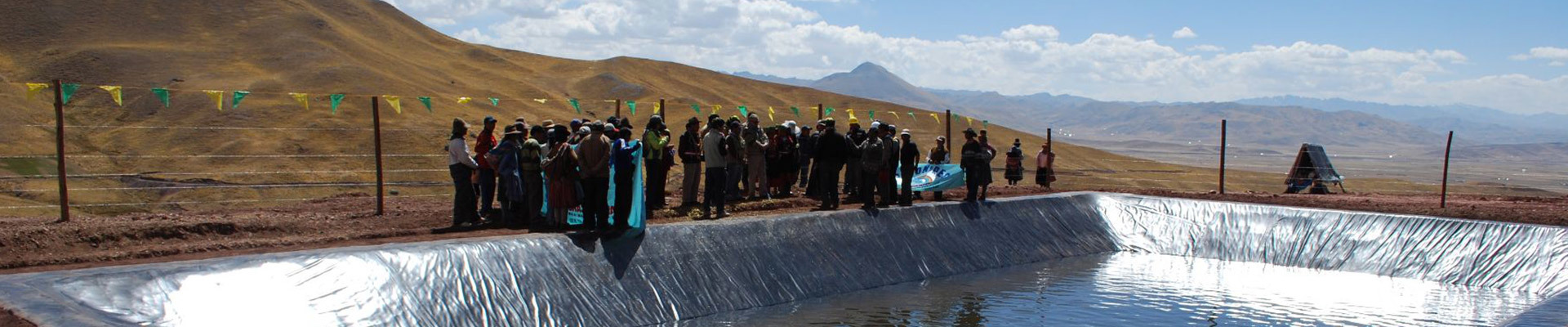
HDPE geomembrane application
Release time:
2024-11-06
geomembranes play an important role in many fields with their excellent anti-seepage performance, contributing to environmental protection and resource conservation. With the continuous advancement and innovation of technology, its application areas are expected to expand further.
As a waterproof barrier material based on high molecular polymers, geomembranes are widely used in the following fields due to their excellent waterproof and anti-seepage properties:
Environmental protection and sanitation
Landfills: prevent leachate from polluting groundwater and soil.
Sewage treatment plants: used for anti-seepage of treatment pools and regulating pools to ensure that sewage does not leak into the surrounding environment.
Power plant regulating pools: prevent power plant wastewater from polluting the environment.
Hospital solid waste: prevent the leakage of harmful substances in medical waste and protect the environment.
Water conservancy projects
Rivers, lakes, reservoirs and dams: used for anti-seepage, plugging and reinforcement to protect the safety of water conservancy facilities.
Canals: anti-seepage, vertical core walls, slope protection, etc. to ensure the effective use of water resources.
Municipal engineering
Subway: used for waterproofing and anti-seepage to protect subway facilities from water damage.
Underground projects of buildings: such as basements, underground passages, etc., to prevent groundwater leakage.
Planting roofs and roof gardens: waterproof and moisture-proof to protect plant roots from moisture.
Sewage pipe anti-seepage: ensure that sewage pipes do not leak and reduce pollution to the environment.
Garden landscape
Artificial lakes and rivers: used for water seepage prevention and slope protection to prevent water pollution and loss.
Reservoirs: keep water clean and prevent water evaporation and leakage.
Golf course pond bottom: waterproof and moisture-proof to protect lawn growth.
Agriculture and aquaculture
Reservoirs and drinking water pools: prevent water leakage and ensure effective use of water resources.
Reservoirs and irrigation systems: anti-seepage to improve irrigation efficiency.
Breeding ponds, fish ponds, and shrimp ponds: as linings to prevent leakage and pollution of aquaculture water and improve breeding efficiency.
Mining engineering
Washing pools and heap leaching pools: prevent leakage of harmful chemicals and protect the environment.
Ash yards, dissolution pools, and sedimentation pools: used for bottom lining anti-seepage to prevent leakage of harmful substances.
Transportation facilities
Highway foundation reinforcement: enhance the bearing capacity and stability of roads.
Culvert anti-seepage: prevent water leakage inside culverts and protect road facilities.
Salt industry
Salt field crystallization pool, brine pool: used for anti-seepage and isolation to ensure the efficiency and safety of the salt production process.
Petrochemical industry
Chemical plants, refineries: anti-seepage, lining and secondary lining to protect equipment and environment from chemical corrosion and pollution.
In short, geomembranes play an important role in many fields with their excellent anti-seepage performance, contributing to environmental protection and resource conservation. With the continuous advancement and innovation of technology, its application areas are expected to expand further.
 |
PROJECT CASES

Apr 25,2024
Apr 25,2024
Apr 25,2024
Apr 25,2024
Apr 25,2024
Apr 25,2024
Apr 25,2024
Apr 25,2024

Get a quote or fast support
Experienced teams of project experts will provide you with competitive quotes, best service and free samples.
Contact us now
CONTACT US
Tel : +86-158 5345 5188
WhatsApp : +86-158 5345 5188
Wechat : +86-158 5345 5188
Email : Selina@dzhxchina.com
Factory Address: South head of Xingguo Street, Lingcheng District Economic Development Zone, Dezhou City, Shandong, China