Welcome to Dezhou Huaxiang new material technology Co., Ltd. official website

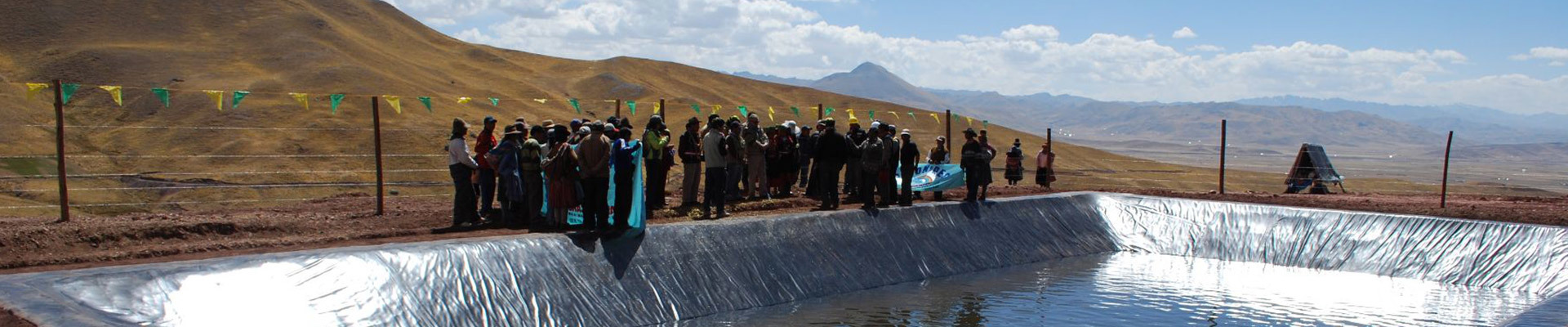
Geomembrane for biogas tanks and septic tanks
Release time:
2024-11-15
Geomembranes have significant advantages and application value in the anti-seepage projects of biogas tanks and septic tanks. By rationally selecting materials, standardizing construction procedures and strengthening post-maintenance management, the long-term stable operation and environmental protection standards of biogas tanks and septic tanks can be ensured.
Geomembranes, especially high-density polyethylene (HDPE) geomembranes, have been widely used in anti-seepage projects of biogas tanks and septic tanks. The following is a detailed introduction to the application of geomembranes in biogas tanks and septic tanks:
Ⅰ. Application background
Biogas tanks and septic tanks are key environmental protection facilities in livestock ranches and farms, and their anti-seepage performance is directly related to the protection of groundwater resources and the sustainable development of the environment. The traditional reinforced concrete self-waterproofing method has the problems of long construction period and high cost, and geomembranes, as an efficient and economical anti-seepage material, have gradually become the first choice for anti-seepage projects of these facilities.
Ⅱ. Characteristics and advantages of geomembranes
1. Excellent anti-seepage performance: The molecular structure of geomembranes is tight, which can effectively prevent harmful substances and bacteria in sewage from leaking into groundwater through the tank body, protecting the purity of groundwater resources and the safety of the surrounding environment.
2. Good chemical stability: Geomembranes can resist the erosion of chemical substances such as acids and alkalis, ensure long-term service life in biogas tanks and septic tanks, and reduce the risk of leakage caused by corrosion.
3. Excellent anti-aging performance: After special treatment process, geomembrane can maintain long-term stability and service life under harsh environmental conditions, ensuring the long-term anti-seepage effect of biogas tanks and septic tanks.
4. Simple construction and low cost: geomembrane is soft and easy to lay, and does not require special construction equipment and technology, which reduces the difficulty and cost of construction. At the same time, it has a long service life and low maintenance cost, and has high economic benefits in the long run.
III. Application of geomembranes in biogas tanks and septic tanks
1. Material selection: HDPE geomembranes are usually used as anti-seepage materials for biogas tank and septic tank anti-seepage projects. According to the needs of the project, geomembranes of different thicknesses can be selected. For example, biogas tanks mostly use 1mm thick geomembranes to lay the bottom, and 1.5mm thick geomembranes are used for covering; while septic tanks may choose thicker or thinner geomembranes according to specific circumstances.
2. Laying and welding: Before laying geomembranes, it is necessary to conduct a comprehensive inspection and treatment of the laying site to ensure that the foundation surface is flat, solid, and free of sharp objects. Then cut, splice and lay the geomembrane according to the design size and requirements. During the laying process, care should be taken to keep the geomembrane flat, wrinkle-free and twist-free. The joints need to be welded with a special double-track hot-melt welding machine to ensure that the welds are flat, smooth, and free of leaks, desoldering and other problems.
3. Backfill and post-maintenance: After the laying is completed, backfill construction is required and compaction is carried out as required. The geomembrane needs to be regularly inspected and maintained in the later stage to ensure its long-term effective anti-seepage performance.
IV. Precautions
1. When selecting geomembranes, the specific conditions and requirements of the project should be fully considered, and the appropriate thickness and specifications should be selected.
2. During the laying process, care should be taken to protect the geomembrane to avoid scratches, punctures and other damage.
3. The welding temperature and time should be strictly controlled during welding to ensure the quality of the welds.
4. The status of the geomembrane should be checked regularly during the later maintenance process to promptly discover and deal with potential problems.
If you have an order, please feel free to contact us, our professional sales consultants will provide you with professional advice, the best prices and beneficial services.
PROJECT CASES

Apr 25,2024
Apr 25,2024
Apr 25,2024
Apr 25,2024
Apr 25,2024
Apr 25,2024
Apr 25,2024
Apr 25,2024

Get a quote or fast support
Experienced teams of project experts will provide you with competitive quotes, best service and free samples.
Contact us now
CONTACT US
Tel : +86-158 5345 5188
WhatsApp : +86-158 5345 5188
Wechat : +86-158 5345 5188
Email : Selina@dzhxchina.com
Factory Address: South head of Xingguo Street, Lingcheng District Economic Development Zone, Dezhou City, Shandong, China