Welcome to Dezhou Huaxiang new material technology Co., Ltd. official website

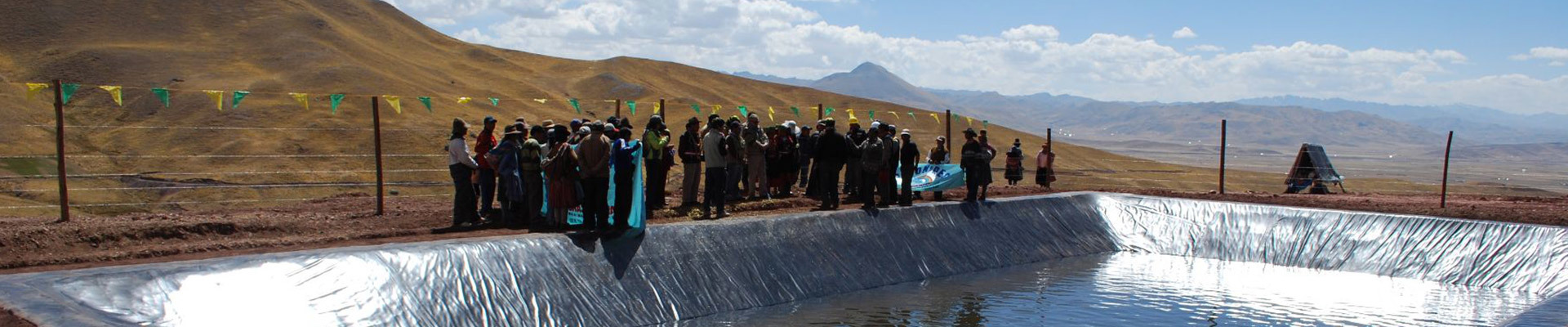
The difference between woven geotextiles and non-woven geotextiles
Release time:
2024-03-26
Although woven geotextiles and non-woven geotextiles are both geosynthetic materials, there are still big differences in materials and manufacturing processes. Therefore, reasonable choices need to be made based on specific project requirements and environmental conditions.
Woven geotextiles and non-woven geotextiles are two common geosynthetic materials. They have some significant differences in manufacturing process, structure and performance:

Woven geotextiles are woven from synthetic fibers such as high-strength polyester or polypropylene. Due to the close interweaving of warp and weft yarns, woven geotextiles have good tensile strength and abrasion resistance, as well as good water and air permeability. Woven geotextiles are often used in geotechnical projects such as soil reinforcement, drainage, isolation, and protection, such as roadbeds, embankments, rivers, foundations, landfills, etc.
Non-woven geotextile is made of polyester, polypropylene and other synthetic materials. In the textile process, it adopts spinning technology and is made through hot air bonding, hot pressing and other processes. It has no warp and weft yarns, but is made of a large number of fibers and paper scraps that are thermally bonded. The surface is uniform, with no traces of textiles, the fibers are more tightly bonded, and the overall surface is softer. Non-woven geotextiles are often used in soil composite materials, filtering, isolation, protection and other geotechnical projects, such as artificial infiltration pools, roofs, greening projects, road slopes, etc.
Although woven geotextiles and non-woven geotextiles are both geosynthetic materials, there are still big differences in materials and manufacturing processes. Therefore, reasonable choices need to be made based on specific project requirements and environmental conditions.
PROJECT CASES

Apr 25,2024
Apr 25,2024
Apr 25,2024
Apr 25,2024
Apr 25,2024
Apr 25,2024
Apr 25,2024
Apr 25,2024

Get a quote or fast support
Experienced teams of project experts will provide you with competitive quotes, best service and free samples.
Contact us now
CONTACT US
Tel : +86-158 5345 5188
WhatsApp : +86-158 5345 5188
Wechat : +86-158 5345 5188
Email : Selina@dzhxchina.com
Factory Address: South head of Xingguo Street, Lingcheng District Economic Development Zone, Dezhou City, Shandong, China