Welcome to Dezhou Huaxiang new material technology Co., Ltd. official website

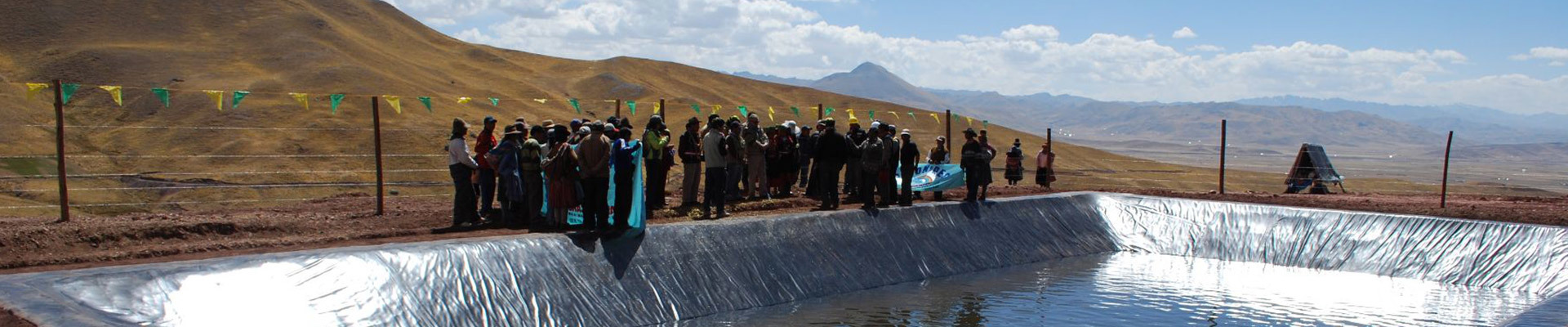
What is the life expectancy of a geomembrane?
Release time:
2024-07-19
Geomembranes have a service life of up to 50-100 years. Geomembranes are used in civil and environmental engineering, but due to some uncontrollable construction operations, raw materials, environment and other complex factors, there is no problem to use geomembranes for 50 years without exposure. If exposed for a long time, the service life will be shortened.
The International Geosynthetics Institute GRI-GM13 standard ASTM test shows that the service life of geomembrane is up to 50-100 years. Geomembranes are used in civil and environmental engineering, but due to some uncontrollable construction operations, raw materials, environment and other complex factors, there is no problem to use geomembranes for 50 years without exposure. If exposed for a long time, the service life will be shortened.
Common types of geomembranes are high-density polyethylene (HDPE geomembrane), linear low-density polyethylene (LLDPE geomembrane), polyvinyl chloride (PVC geomembrane), and ethylene propylene diene rubber (EPDM geomembrane). Geomembranes are produced with antioxidants, anti-UV additives and so on. Geomembrane has the function of anti-aging. The anti-aging life is related to the thickness of the geomembrane and the method of using the geomembrane.
Generally speaking, the service life of geomembranes installed with 100% pure raw materials can reach 30 to 50 years or even longer. However, this is only an estimate and the actual service life is affected by the following factors:
 |
 |
 |
1. Geomembrane raw materials: different materials have different chemical resistance and physical properties that affect their durability.
HDPE (High Density Polyethylene) geomembranes usually have a longer service life under the same conditions. This is due to the fact that HDPE has a number of properties that demonstrate higher durability and stability in many applications.
①. Molecular Density:
HDPE has a higher molecular density and a tighter molecular chain structure, which makes HDPE geomembranes more impermeable and chemically stable.
②. Anti-aging properties:
HDPE generally has better aging resistance and is more resistant to UV rays. This allows HDPE to maintain its physical properties for a longer period of time in exposed outdoor environments.
③. Chemical Resistance:
HDPE has greater chemical resistance and is better suited for environments that require high chemical stability. It is resistant to a wide range of chemicals.
Whereas LLDPE (Linear Low Density Polyethylene) geomembrane may be less stable in some aspects due to the loose molecular chain structure, resulting in weaker impermeability and aging resistance.
PVC (polyvinyl chloride) geomembranes perform well in some applications, but may have a shorter service life than HDPE under certain chemical and environmental conditions.
EPDM (ethylene propylene diene rubber) geomembranes are often used for specialized applications, but their service life may be shortened by prolonged exposure to UV light and certain chemicals.
2. Environmental conditions: sunlight exposure (ultraviolet radiation), temperature fluctuations and weather conditions may affect the degradation of geomembranes.
①. Exposure to sunlight:
Ultraviolet radiation: Prolonged exposure to ultraviolet (UV) radiation can cause aging and degradation of geomembranes. Some geomembrane materials are more sensitive to UV radiation and therefore may have a shorter service life when exposed to direct sunlight.
Temperature changes: Differences in temperature between day and night, and changes in seasonal temperatures may cause geomembrane materials to expand and contract, increasing the stresses on the material and thus affecting its durability.
②. Buried underneath:
Protection: Buried under soil or other materials provides protection and reduces the exposure of the geomembrane to UV rays, weather and mechanical damage.
TEMPERATURE STABILITY: Geomembranes buried in the soil can better enjoy the temperature stability of the soil, reducing the effects that temperature changes may have on the geomembrane.
Exposure to sunlight usually shortens the service life of geomembranes, as UV rays and weather factors cause the material to deteriorate. Being buried underneath provides some protection and helps extend the life of the geomembrane.
3. Quality of installation: Proper installation, including welding seams and securing the geomembrane to the substrate, is critical to ensuring its long life. Proper installation maximizes the service life of the geomembrane and prevents mechanical damage and infiltration problems; improper installation can lead to mechanical damage, seam problems, wrinkling and edge buckling, shortening service life and increasing the risk of infiltration and UV damage.
4. Chemical Exposure: Geomembranes may be exposed to a variety of chemicals in soil or water. The resistance of the geomembrane to these chemicals will affect its service life. Chemical exposure may result in chemical erosion, dissolution, deterioration and aging of the geomembrane, which may reduce its waterproofing performance and service life. Selecting geomembrane materials that are resistant to corrosion and taking precautions are essential to ensure a long service life.
5. Maintenance: Regular inspection and maintenance of the geomembrane will help to detect problems early so that they can be repaired or replaced.
To ensure or extend the service life of a geomembrane, the following are some suggested ranges of geomembrane thicknesses. The selection of geomembrane thickness usually depends on the specific project requirements, soil conditions and application environment.
①. Water conservancy projects typically use thicknesses from 0.5mm to 1.5mm.
②. Foundation works: thicknesses of 0.75mm to 1.5mm are usually used, depending on soil conditions and project requirements.
③. Reservoir: usually use thickness 0.5mm to 1.5mm
④. Landfill: Usually 0.75mm to 2.0mm thick.
⑤. Aquaculture: Usually 0.5mm to 1.5mm thickness.
⑥. Gold mines and tailings typically use thicknesses of 1.00mm to 2.0mm, depending on the landfill design and type of hazardous material.
⑦. Underground waterproofing: thicknesses of 0.5mm to 1.5mm are typically used
⑧. Oil and gas: typically use thicknesses of 0.75mm to 2.0mm
⑦. Solar salt: usually used thickness 0.5mm to 1.5mm
These thicknesses are for reference only, specific geomembrane selection should be made under the guidance of a professional engineer to ensure compliance with local regulations, environmental conditions and engineering requirements.
PROJECT CASES

Apr 25,2024
Apr 25,2024
Apr 25,2024
Apr 25,2024
Apr 25,2024
Apr 25,2024
Apr 25,2024
Apr 25,2024

Get a quote or fast support
Experienced teams of project experts will provide you with competitive quotes, best service and free samples.
Contact us now
CONTACT US
Tel : +86-158 5345 5188
WhatsApp : +86-158 5345 5188
Wechat : +86-158 5345 5188
Email : Selina@dzhxchina.com
Factory Address: South head of Xingguo Street, Lingcheng District Economic Development Zone, Dezhou City, Shandong, China