Welcome to Dezhou Huaxiang new material technology Co., Ltd. official website

Standard Certified By

LDPE Geomembrane
Classification :
PRODUCT DETAILS
What is LDPE geomembrane?
HX® LDPE (low density polyethylene) geomembrane is made of low density polyethylene, which is a flexible and lightweight thermoplastic material. Compared with LLDPE geomembrane and HDPE geomembrane, LDPE geomembrane has different characteristics. LDPE is a polyethylene, which is a thermoplastic polymer made of monomer. LDPE is famous for its flexibility, toughness and chemical resistance. LDPE geomembrane is applicable for pools, canals, embankments, farms, landfill, tunnel waterproof and seepage control.
HX® LDPE geomembrane is a type of geomembrane made from low-density polyethylene (LDPE). LDPE is a soft, flexible plastic that is relatively inexpensive and easy to work with. It is often used in applications where a high level of flexibility is required, such as pond liners, landfill liners, and reservoir liners.
HX® LDPE geomembranes are available in a variety of thicknesses, from 0.2mm to 3mm. The thickness of the geomembrane will depend on the specific application and the required level of protection.
HX® LDPE geomembranes are typically installed by welding the edges of the sheets together. This creates a seamless barrier that is resistant to leaks and spills. LDPE geomembranes can also be bonded to other materials, such as concrete or steel, to create a more complex system.
HX® LDPE geomembranes are a cost-effective solution for a variety of applications. They are not as strong or durable as HDPE geomembranes, but they are more flexible and easier to work with.
What is the Product Specifications of LDPE geomembrane?
Width:1-8m
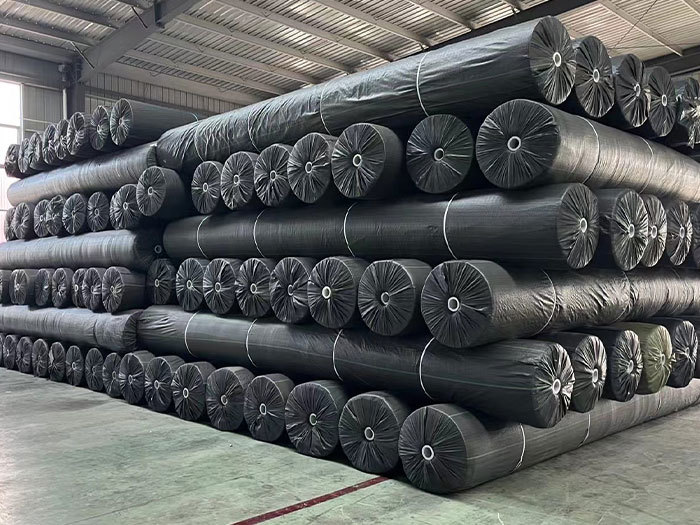
Length:50-150m as customized
Thickness:0.2mm-3.0mm
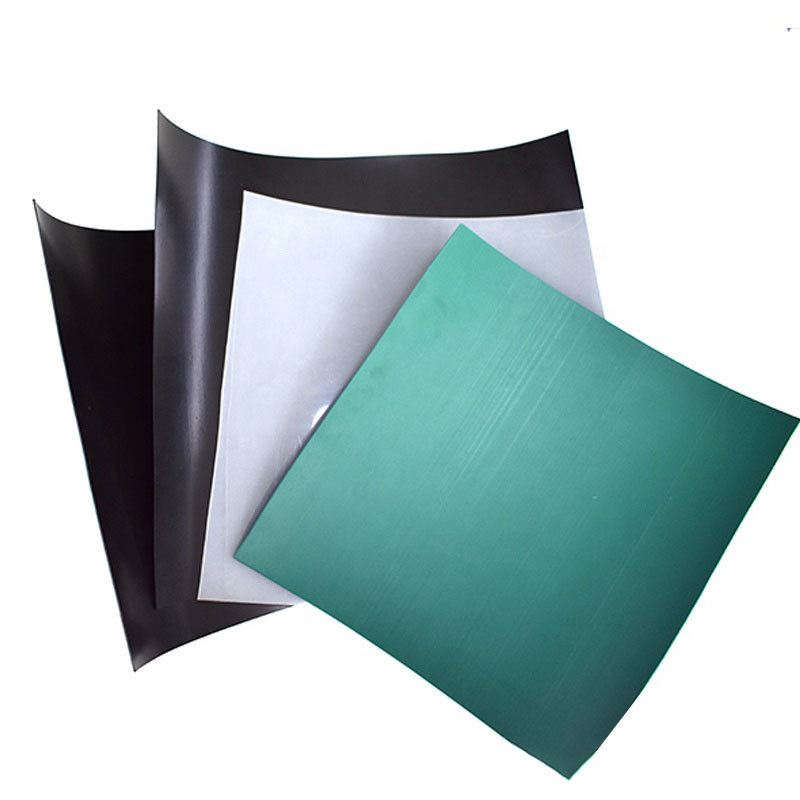
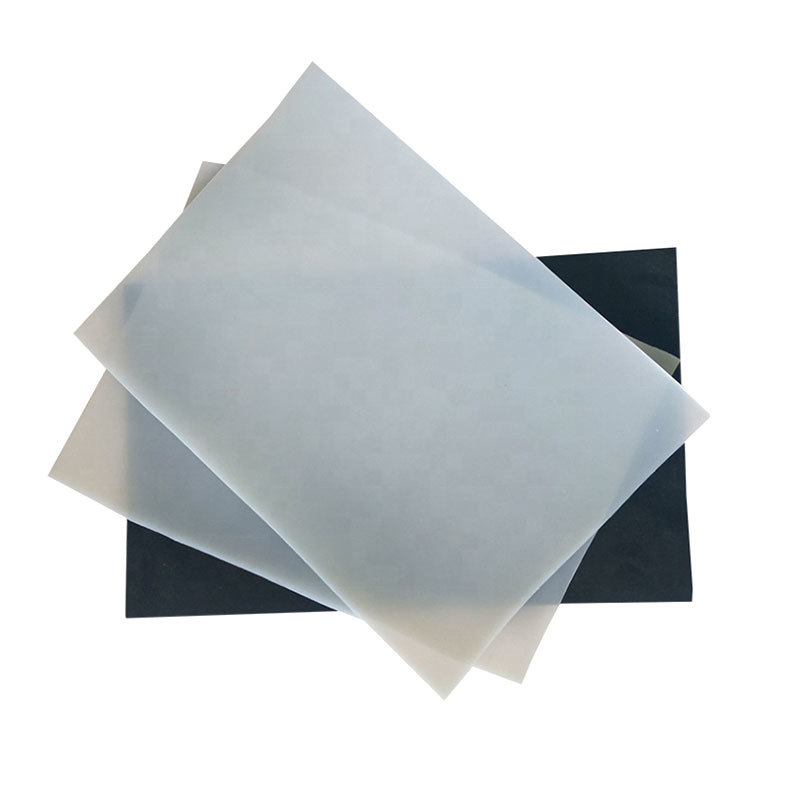
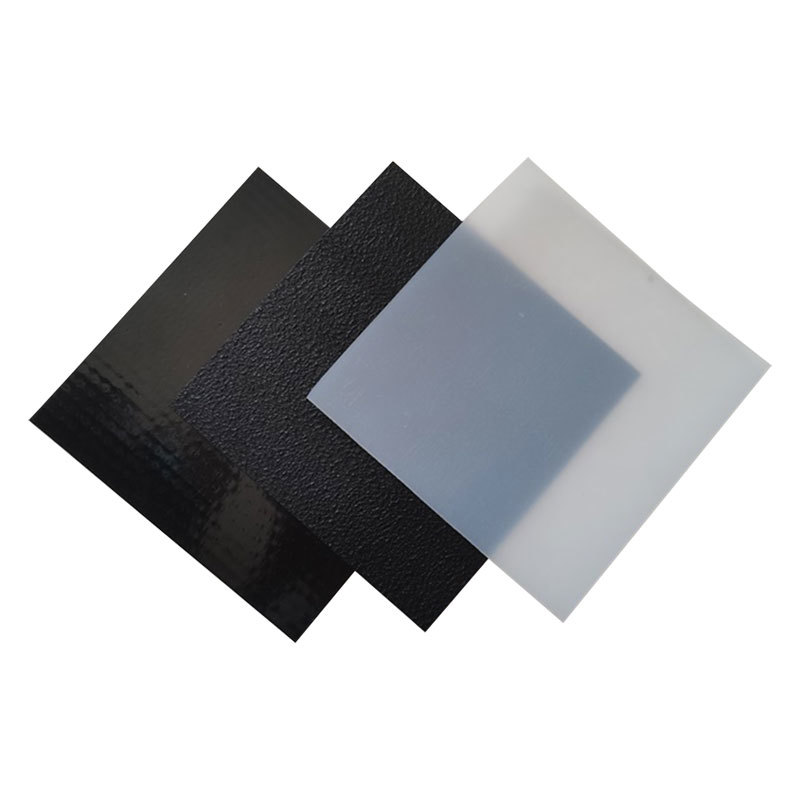
Color:Black, white,customized products can be supported according to customer needs
The specification of LDPE geomembrane varies depending on the manufacturer and the intended application. However, some general specifications include:
Thickness: LDPE geomembranes are typically available in thicknesses from 0.2mm to 3mm. The thickness of the geomembrane will depend on the specific application and the required level of protection.
Tensile strength: LDPE geomembranes typically have a tensile strength of at least 9 N/mm². This means that the geomembrane can withstand a force of 9 Newtons per square millimeter before it breaks.
Elongation at break: LDPE geomembranes typically have an elongation at break of at least 560%. This means that the geomembrane can stretch by 560% of its original length before it breaks.
Water permeability: LDPE geomembranes are very low-permeable, with a water permeability of less than 10-12 cm/day. This means that water will not easily pass through the geomembrane.
Chemical resistance: LDPE geomembranes are resistant to a wide range of chemicals, including acids, bases, and solvents. However, they are not resistant to all chemicals, so it is important to check the specifications of the specific geomembrane before using it with a particular chemical.
UV resistance: LDPE geomembranes are resistant to UV radiation, but they will eventually degrade if exposed to sunlight for extended periods of time. It is important to choose a geomembrane that has been treated with UV stabilizers to extend its lifespan.
In addition to these general specifications, there may be other specific requirements that must be met for a particular application. For example, a geomembrane for a landfill liner may need to be thicker and more resistant to punctures than a geomembrane for a pond liner. It is important to consult with a qualified geotechnical engineer to determine the specific specifications that are required for your project.
 |
 |
 |
 |
What are the applications of LDPE geomembrane?
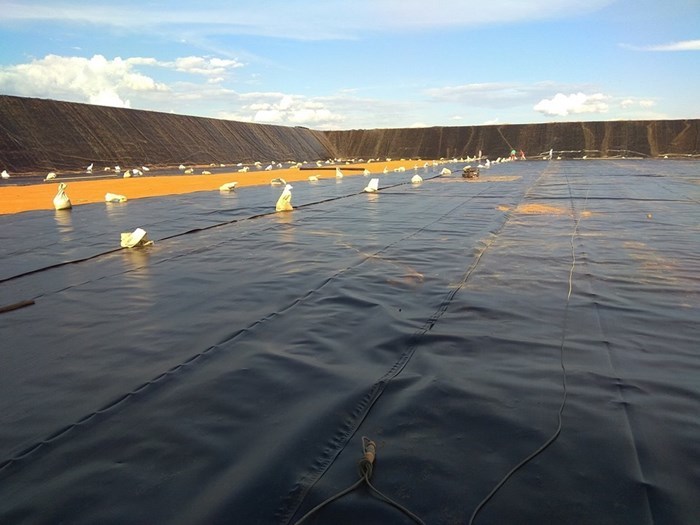
LDPE geomembrane is a versatile material that can be used in a variety of applications. Some of the most common applications of LDPE geomembrane include:
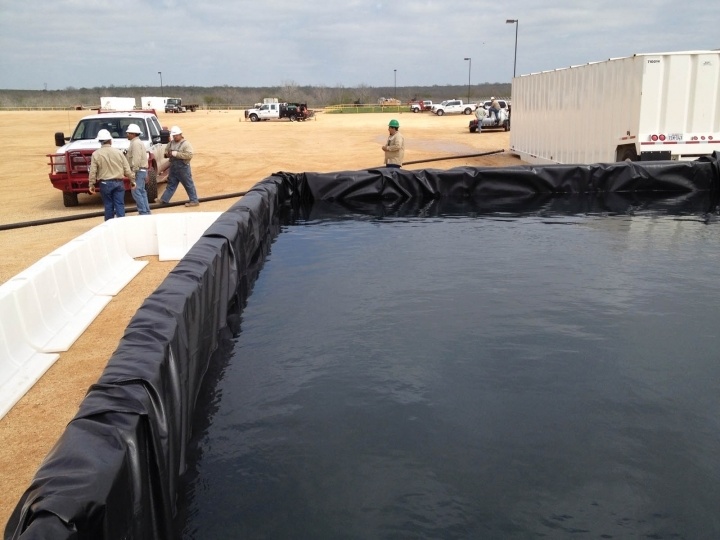
Pond liners: LDPE geomembrane is a popular choice for pond liners because it is resistant to water and chemicals. It is also flexible and easy to install, making it a good choice for ponds with irregular shapes.
Landfill liners: LDPE geomembrane is often used as a liner for landfills to prevent the seepage of hazardous materials into the ground. It is also resistant to punctures and tears, making it a good choice for landfills that receive heavy traffic.
Wastewater treatment ponds: LDPE geomembrane can be used to line wastewater treatment ponds to prevent the escape of contaminants into the environment. It is also resistant to the chemicals used in wastewater treatment, making it a good choice for this application.
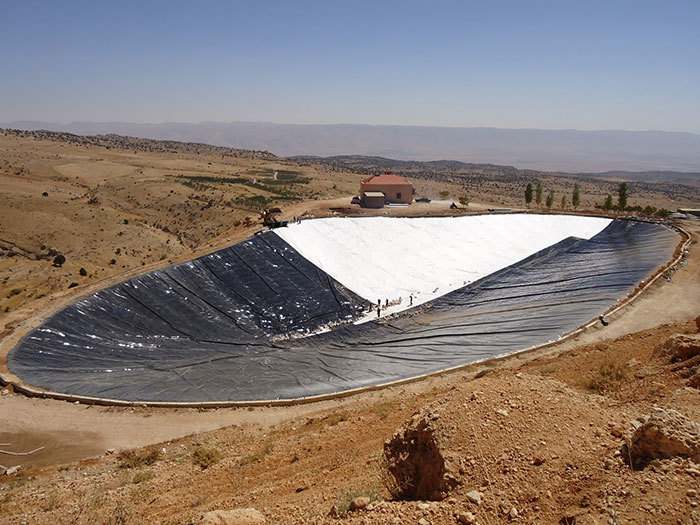
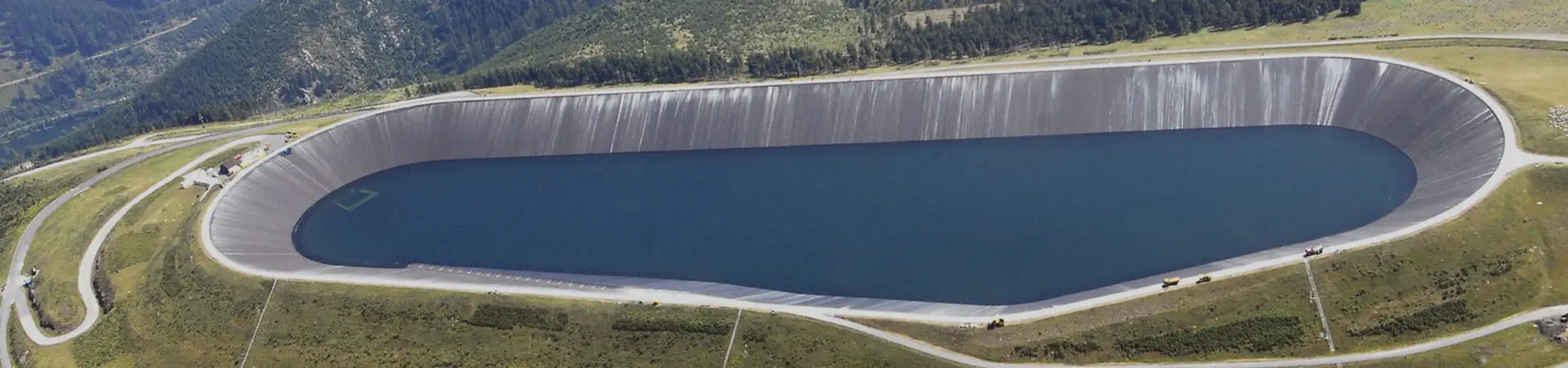
Reservoir liners: LDPE geomembrane can be used to line reservoirs to prevent the seepage of water. It is also resistant to UV radiation, making it a good choice for reservoirs that are exposed to sunlight.
Dams and levees: LDPE geomembrane can be used to line dams and levees to prevent the seepage of water. It is also resistant to punctures and tears, making it a good choice for dams and levees that are subjected to heavy loads.
Aquatic habitats: LDPE geomembrane can be used to create artificial aquatic habitats, such as fish ponds and wetlands. It is also resistant to the growth of algae and other organisms, making it a good choice for this application.
Soil erosion control: LDPE geomembrane can be used to control soil erosion. It is flexible and can be easily shaped to fit irregular surfaces. It is also resistant to the elements, making it a good choice for long-term soil erosion control projects.
Roofing membranes: LDPE geomembrane can be used as a roofing membrane to prevent leaks. It is also resistant to UV radiation, making it a good choice for roofs that are exposed to sunlight.
Chemical storage tanks: LDPE geomembrane can be used to line chemical storage tanks to prevent the escape of hazardous materials. It is also resistant to punctures and tears, making it a good choice for chemical storage tanks that are subjected to heavy loads.
HX® LDPE geomembrane is a versatile material that can be used in a variety of applications. It is important to consult with a qualified engineer to determine the specific application that is best suited for your needs.
 |
 |
 |
 |
 Performance forHX® LDPE Geomembrane:
- Water and chemical resistance:HX® LDPE Geomembrane is resistant to water and chemicals, making it a good choice for a variety of applications. It can be used to line ponds, landfills, wastewater treatment ponds, reservoirs, dams and levees, aquatic habitats, and soil erosion control projects.
- Flexibility:HX® LDPE Geomembrane is flexible and can be easily shaped to fit irregular surfaces. This makes it a good choice for ponds with irregular shapes and for soil erosion control projects.
- Durability:HX® LDPE Geomembrane is durable and can withstand the elements for many years. It is also resistant to punctures and tears, making it a good choice for applications where it will be subjected to heavy traffic.
- UV resistance:HX® LDPE Geomembrane is resistant to UV radiation, making it a good choice for applications where it will be exposed to sunlight.
- Cost-effective:HX® LDPE Geomembrane is a cost-effective solution for a variety of applications. It is a good choice for projects where budget is a concern.
HX® LDPE Geomembrane is a high-quality product that is designed to meet the needs of a variety of applications. It is water and chemical resistant, flexible, durable, UV resistant, and cost-effective. If you are looking for a geomembrane that can meet your needs, HX® LDPE Geomembrane is a good choice.
Here are some additional benefits of using HX® LDPE Geomembrane:
- Environmentally friendly:HX® LDPE Geomembrane is made from recycled materials, making it a sustainable choice.
- Easy to install:HX® LDPE Geomembrane is easy to install, even for DIY projects.
- Warranty:HX® LDPE Geomembrane comes with a 10-year warranty.
If you are looking for a high-quality, cost-effective, and environmentally friendly geomembrane, HX® LDPE Geomembrane is a good choice.
 |
 |
 |
 |
|
Properties |
Test Method |
GM075SH |
GM100SH |
GM150SH |
GM200 |
|
Thickness |
ASTM D5199 |
0.75 mm |
1.00 mm |
1.50 mm |
2.00 mm |
|
Density |
ASTM D1505 |
0.940 g/cm3 |
0.940 g/cm3 |
0.940 g/cm3 |
0.940 g/cm3 |
|
Tensile Properties |
ASTM D6693 |
11 kN/m |
15 kN/m |
22 kN/m |
29 kN/m |
|
20 kN/m |
27 kN/m |
40 kN/m |
53 KN/m |
||
|
12% |
12% |
12% |
12% |
||
|
700% |
700% |
700% |
700% |
||
|
Tear Resistance |
ASTM D1004 |
93 N |
125 N |
187 N |
249N |
|
Puncture Resistance |
ASTM D4833 |
240 N |
320 N |
480 N |
640N |
|
Stress Crack Resistance |
ASTM D5397 (App.) |
300 hr. |
300 hr. |
300 hr. |
300 hr. |
|
Carbon Black Content |
ASTM D1603 |
2.00% |
2.00% |
2.00% |
2.00% |
|
Carbon Black Dispersion |
ASTM D5596 |
For 10 different views 9 in Categories 1 or 2 and 1 in Calegory 3 |
|||
|
Oxidative Induction Time (OIT) |
ASTM D3895 |
100 min. |
100 min. |
100 min. |
100 min. |
PROJECT CASES
Apr 25,2024
Apr 25,2024
Apr 25,2024
Apr 25,2024
Apr 25,2024
Apr 25,2024
Apr 25,2024
Apr 25,2024
FAQ

Are you a factory or trading company?

Could you send the sample before order confirmation?
How long is your delivery time?
Can you produce the product according to customers' requirements?
LISTEN & DELIVER TRUSTED SOIUTIONS.
DOWNLOADS

Get a quote or fast support
Experienced teams of project experts will provide you with competitive quotes, best service and free samples.
Contact us now
CONTACT US
Tel : +86-158 5345 5188
WhatsApp : +86-158 5345 5188
Wechat : +86-158 5345 5188
Email : Selina@dzhxchina.com
Factory Address: South head of Xingguo Street, Lingcheng District Economic Development Zone, Dezhou City, Shandong, China